You know the moment. You’re at Chipotle, the line is moving, and suddenly it’s your turn. The person behind the counter looks at you and asks, “White or brown rice?”
And just like that, your brain goes into overdrive.
Is brown rice healthier? Does white rice taste better? How many calories are we talking? Will this ruin my diet?
Don’t worry, you’re not alone. This one simple question trips up thousands of people every single day. And honestly, the answer isn’t as black and white (or brown and white) as you might think.
In this post, we’re breaking down everything you need to know about Chipotle white rice vs brown rice: the calories, the carbs, the taste, and most importantly, which one actually fits your goals. Whether you’re counting calories, building muscle, managing blood sugar, or just trying to eat a little better, we’ve got you covered.
Let’s dig in.
First, Let’s Talk About What’s Actually IN Chipotle’s Rice
Before we compare them, it helps to know what Chipotle actually puts in its rice. Because this isn’t just plain boiled rice we’re talking about.
Chipotle cooks both their white and brown rice with:
- Lime juice (for that signature tangy flavor)
- Cilantro (fresh and fragrant)
- Bay leaves (during cooking, for depth)
- A touch of oil (usually rice bran oil)
- Salt
So right away, both options have a little more going on than what you’d make at home from a basic rice packet. That lime-cilantro combo is actually one of the things people love most about Chipotle, and both rice types get that same treatment.
Good news: the cooking method and seasonings are the same. The real differences come down to the grain itself.
Chipotle White Rice vs Brown Rice: The Nutrition Breakdown
Okay, let’s get into the numbers. Because when you’re making a health decision, the details matter.
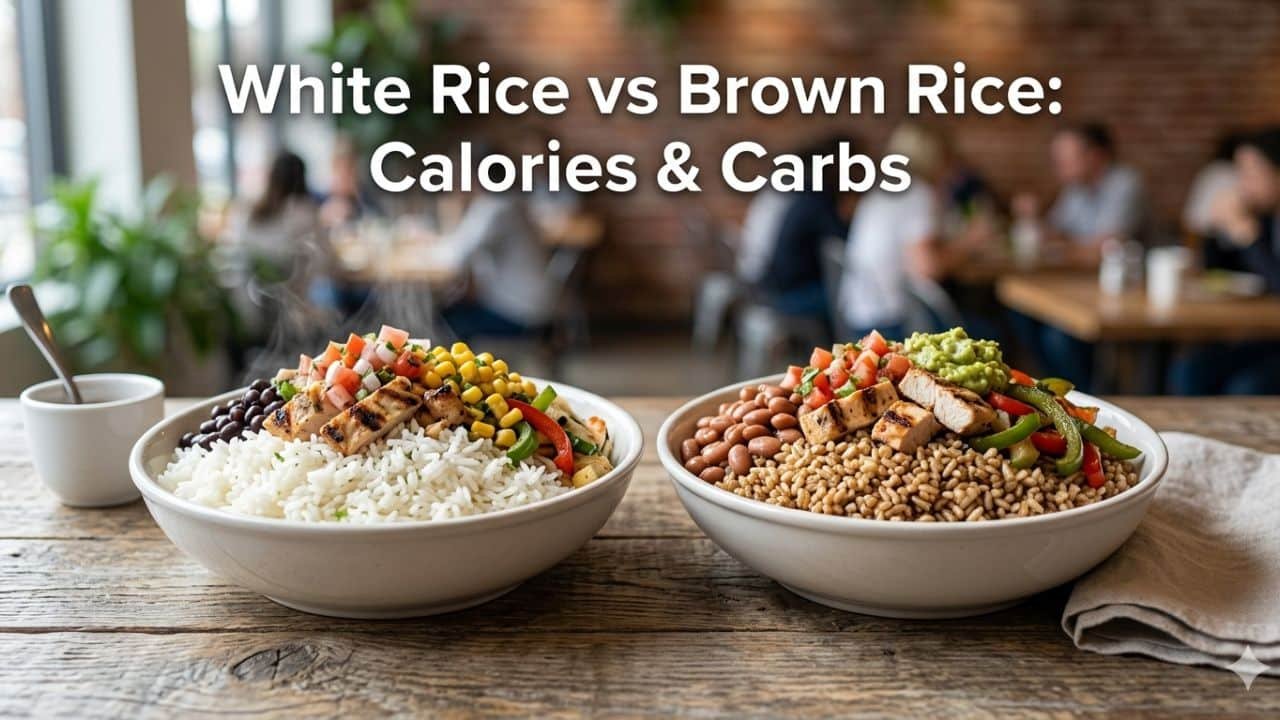
Here’s a side-by-side look at a standard serving (about 4 oz / ~113g) of each:
White Rice at Chipotle
- Calories: ~210
- Total Carbohydrates: ~40g
- Fiber: ~1g
- Protein: ~4g
- Fat: ~3g
- Sodium: ~350mg
Brown Rice at Chipotle
- Calories: ~210
- Total Carbohydrates: ~40g
- Fiber: ~2g
- Protein: ~5g
- Fat: ~4g
- Sodium: ~220mg
Wait, they’re almost the Same?
Yes. And this surprises a lot of people.
The calorie difference between Chipotle’s white rice and brown rice is basically nothing; we’re talking maybe 0 to 10 calories, depending on the exact serving. The carbs are nearly identical, too.
So if you’ve been avoiding white rice thinking it’s dramatically higher in calories, you can breathe easy. The gap is much smaller than most people expect.
Where brown rice does edge ahead:
- Slightly more fiber (2g vs 1g)
- Slightly more protein
- Slightly less sodium
- A bit more magnesium, phosphorus, and B vitamins
But we’re talking small margins here. Not the dramatic difference that fitness influencers sometimes make it sound like.
The Real Difference: What Happens Inside Your Body
Now here’s where things get genuinely interesting and important.
Even though the calorie counts are similar, white rice and brown rice behave differently once you eat them. And that can actually matter depending on your health goals.
Glycemic Index: The Blood Sugar Factor
White rice has a higher glycemic index (GI) than brown rice. This means it gets broken down and enters your bloodstream faster, causing a quicker spike in blood sugar followed by a potential crash.
Brown rice, because it still has its outer bran layer, digests more slowly. That slower digestion leads to a more gradual rise in blood sugar, which is why it’s often recommended for people managing diabetes or insulin resistance.
In simple terms:
- White rice = faster energy, faster crash
- Brown rice = slower energy, more sustained fuel
If you find yourself hungry again an hour after your Chipotle bowl, white rice might be part of the reason why.
Fiber: The Fullness Friend
Brown rice brings more fiber to the table. And fiber is a big deal; it slows digestion, keeps you feeling full longer, supports gut health, and helps regulate cholesterol.
The difference at Chipotle (1g vs 2g) is modest on its own. But when you combine brown rice with beans, fajita vegetables, and salsa, those fiber grams add up fast into something genuinely satisfying.
Nutrient Density: The Micronutrient Edge
White rice is a refined grain that means it’s had the bran and germ removed, which strips away some nutrients. Brown rice keeps those layers intact, which means it naturally holds onto more:
- Magnesium
- Phosphorus
- B vitamins (especially B1 and B3)
- Antioxidants
Again, we’re not talking massive differences in a single bowl. But if you eat Chipotle regularly, these little wins can add up over time.
Who Should Choose White Rice at Chipotle?
Here’s something you don’t hear enough: white rice is not the enemy.
For certain people and certain goals, white rice is actually a solid choice. Let’s talk about who it works best for.
Athletes and Active People
If you just crushed a hard workout and your muscles are hungry for fuel, white rice is actually great. It’s quickly digestible, which means those carbs get to your muscles fast. Many athletes and bodybuilders intentionally eat white rice post-workout for exactly this reason.
People with Digestive Sensitivities
The outer bran layer in brown rice, the thing that makes it “healthier,” can actually be harder on some digestive systems. People with IBS, Crohn’s disease, or sensitive stomachs sometimes do better with white rice because it’s gentler and easier to digest.
Kids and Picky Eaters
Let’s be real: if white rice means your kid actually eats the bowl without complaining, that’s a win. Nutrition that gets eaten beats perfect nutrition that gets left on the tray.
People Who Just Prefer the Taste
And honestly? This matters too. White rice at Chipotle has a lighter, fluffier texture that many people simply enjoy more. If you love your Chipotle bowl and white rice makes it a meal you genuinely look forward to, that’s worth something.
Who Should Choose Brown Rice at Chipotle?
Now let’s flip it around.
People Managing Blood Sugar or Diabetes
If keeping your blood sugar stable is a priority, whether due to diabetes, prediabetes, or just general energy management, brown rice is the smarter pick. That slower digestion gives your body more time to process glucose without the sharp spikes.
People Focused on Weight Loss
Brown rice’s extra fiber helps you stay fuller longer. If you tend to get hungry quickly after meals, switching to brown rice might help you resist the urge to snack an hour later. It’s not a magic fix, but it’s a helpful tool.
People with Heart Health Goals
The fiber and additional nutrients in brown rice have been linked to better cardiovascular health over time. If heart health is on your radar, brown rice is a small but meaningful choice in the right direction.
People Building Long-Term Healthy Habits
If you’re working on eating more whole, minimally processed foods overall, choosing brown rice at Chipotle aligns with that mindset. It’s a whole grain, and the research on whole grains and long-term health is pretty solid.
Practical Tips for Ordering at Chipotle (Whatever Rice You Choose)
Honestly, the rice you pick might matter less than everything else in your bowl. Here are some tips to make your Chipotle order work for any goal:
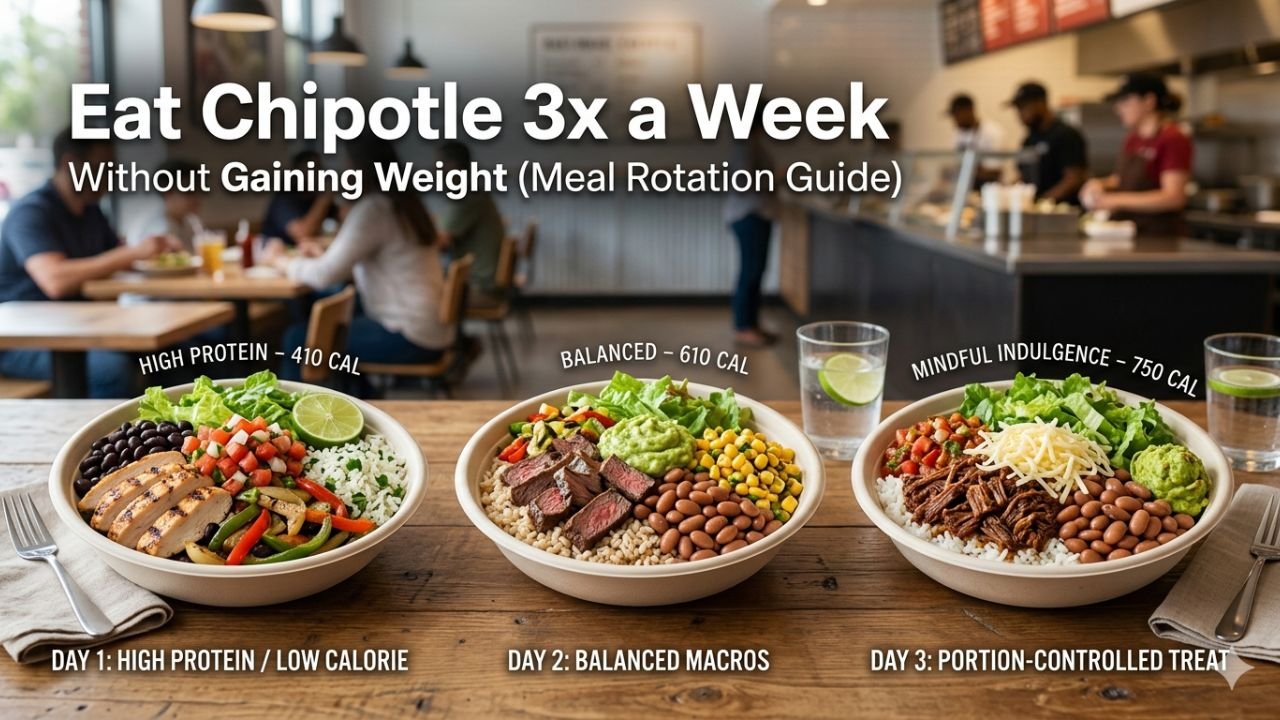
To cut calories:
- Ask for half portions of rice and beans
- Skip the tortilla (go for a bowl)
- Easy on the cheese and sour cream
- Load up on fajita veggies and salsa
To boost protein:
- Double the meat or sofritas
- Add black beans (they’re high in protein AND fiber)
To increase fiber:
- Brown rice + black beans + fajita veggies = fiber powerhouse
- Add fresh tomato salsa (it’s basically vegetables)
To manage carbs:
- Ask for light rice or half rice
- Pair with a lettuce base instead of a full rice portion
- Choose salsa over corn (lower in carbs)
Real-life tip: A lot of people don’t realize you can ask for half portions at Chipotle. They’ll do it, no problem. So if you want a little rice but don’t want a full serving’s worth of carbs, just ask for half. Simple fix.
Does It Actually Taste Different?
Yes, and it’s worth mentioning because taste affects whether you actually enjoy your meal.
White rice at Chipotle is softer, lighter, and fluffier. The lime and cilantro flavors come through clearly. It’s mild and blends well with everything in your bowl.
Brown rice has a slightly chewier texture and a nuttier, earthier flavor. Some people love that extra dimension. Others find it a little heavier.
The good news: Chipotle’s seasoning is generous enough that both versions taste great. The lime-cilantro combo really shines in both.
If you’ve never tried brown rice at Chipotle because you assumed it’d be bland, give it a shot. It might surprise you.
Frequently Asked Questions
Is brown rice at Chipotle actually healthier?
In terms of nutrients and blood sugar impact, yes, brown rice has a slight edge. It has more fiber, more micronutrients, and a lower glycemic index. But the calorie and carb difference is minimal, so it’s not a dramatic upgrade. Your overall bowl matters more than the rice alone.
How many calories are in Chipotle’s brown rice vs white rice?
Both come in around 210 calories per standard serving (about 4 oz). The difference is typically 0–10 calories, depending on the exact scoop. Don’t stress over this one.
Which rice is better for weight loss at Chipotle?
Brown rice gives you a slight advantage due to its higher fiber content, which can help you feel fuller longer. But portion size and overall bowl composition matter way more. A bowl with brown rice, sour cream, cheese, and guacamole will still be calorie-dense. Half-portion rice and loading up on vegetables is a smarter strategy regardless of which rice you choose.
Can I get half portions of rice at Chipotle?
Absolutely. Just ask! The staff is used to it. Asking for “a little rice” or “half rice” is totally normal, and they’ll accommodate it without any issue.
Is Chipotle rice gluten-free?
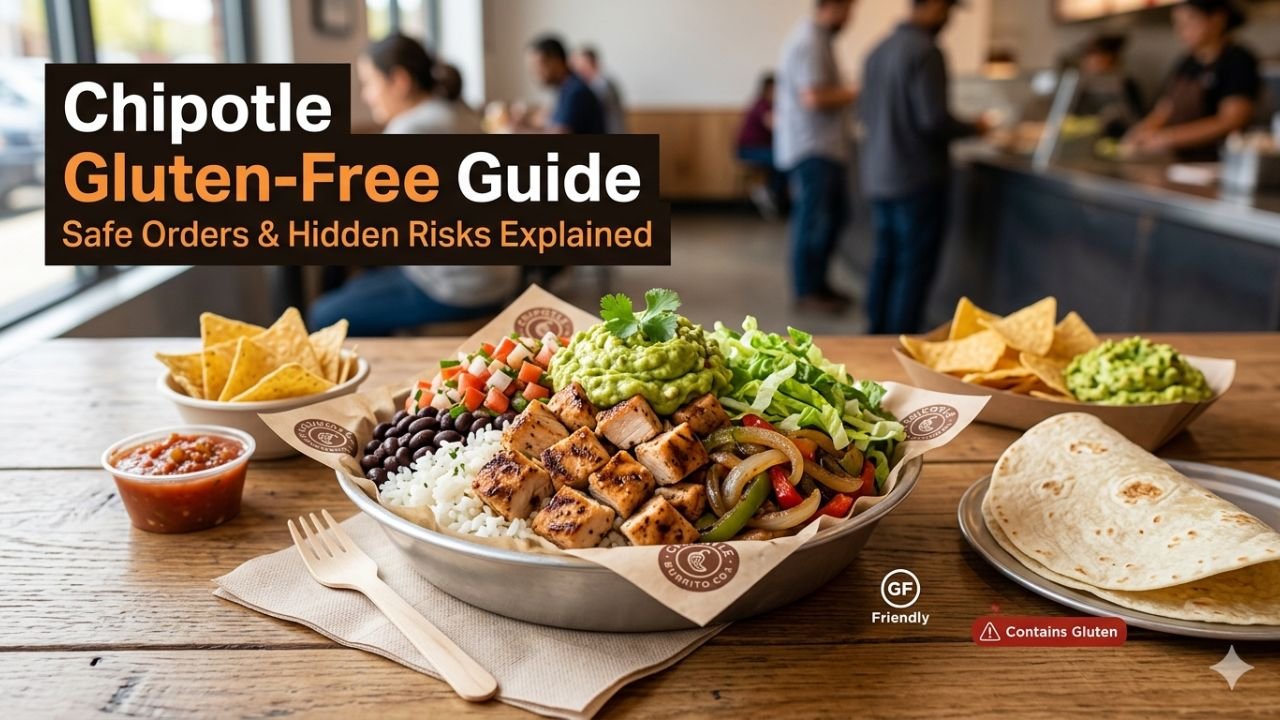
Yes, both white and brown rice at Chipotle are gluten-free. The rice itself doesn’t contain gluten, and Chipotle’s preparation doesn’t introduce any. If you have celiac disease, cross-contamination is always a possibility in any restaurant, but the rice itself is safe.
Conclusion
Here’s the truth: there’s no wrong answer.
The gap between Chipotle’s white rice and brown rice is smaller than most people think. You’re not going to derail your health by choosing white rice. And you’re not going to transform your body by switching to brown.
What actually matters is the bigger picture:
- Are you eating balanced, whole-food meals most of the time?
- Are you enjoying your food and not feeling deprived?
- Are you paying attention to portions and overall calorie intake?
If you answered yes to those things, then whether you get white or brown rice at Chipotle is honestly a small detail.
That said, here’s a quick cheat sheet:
- Choose brown rice if: you want better blood sugar control, more fiber, or you’re building long-term whole-food habits
- Choose white rice if: you just worked out, your stomach is sensitive, or you simply like the taste better
Both options are seasoned with the same lime and cilantro. Both taste amazing in a well-built bowl. And both can fit into a healthy diet.
So next time you’re standing in that Chipotle line and they ask you the question,
You’ll know exactly what to say. And more importantly, you’ll know why.
Now go enjoy that bowl. You’ve earned it.