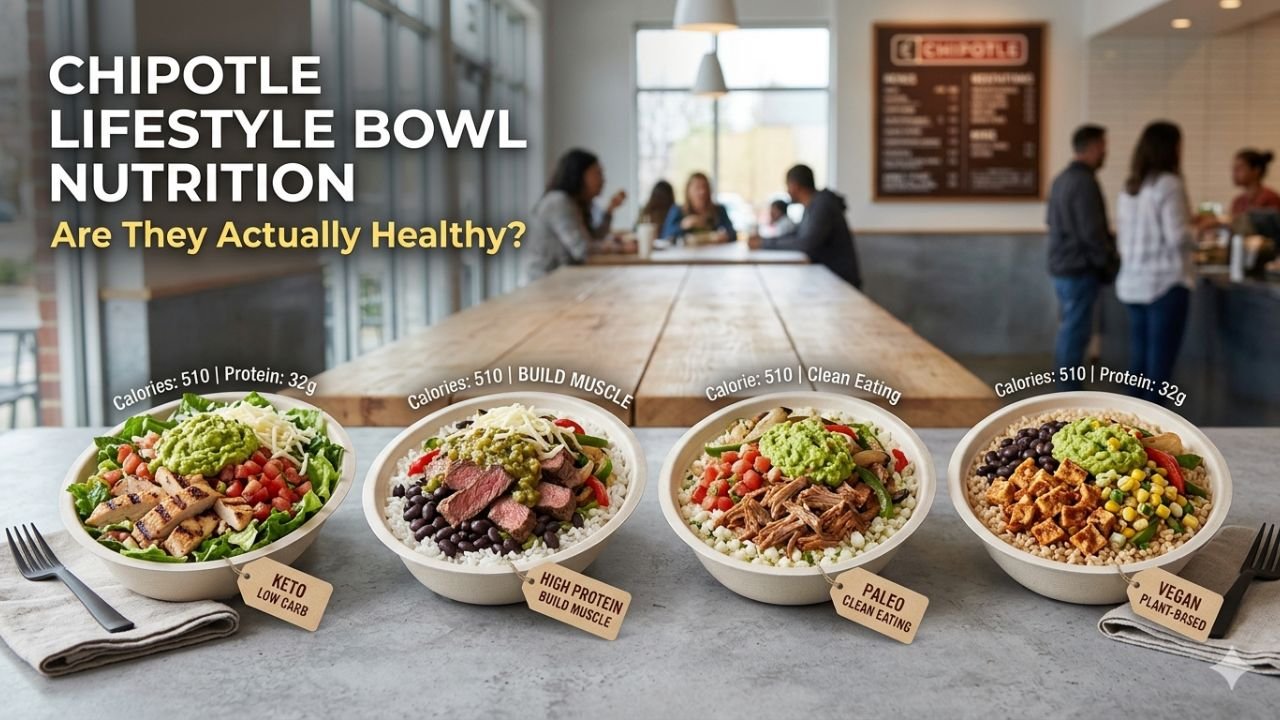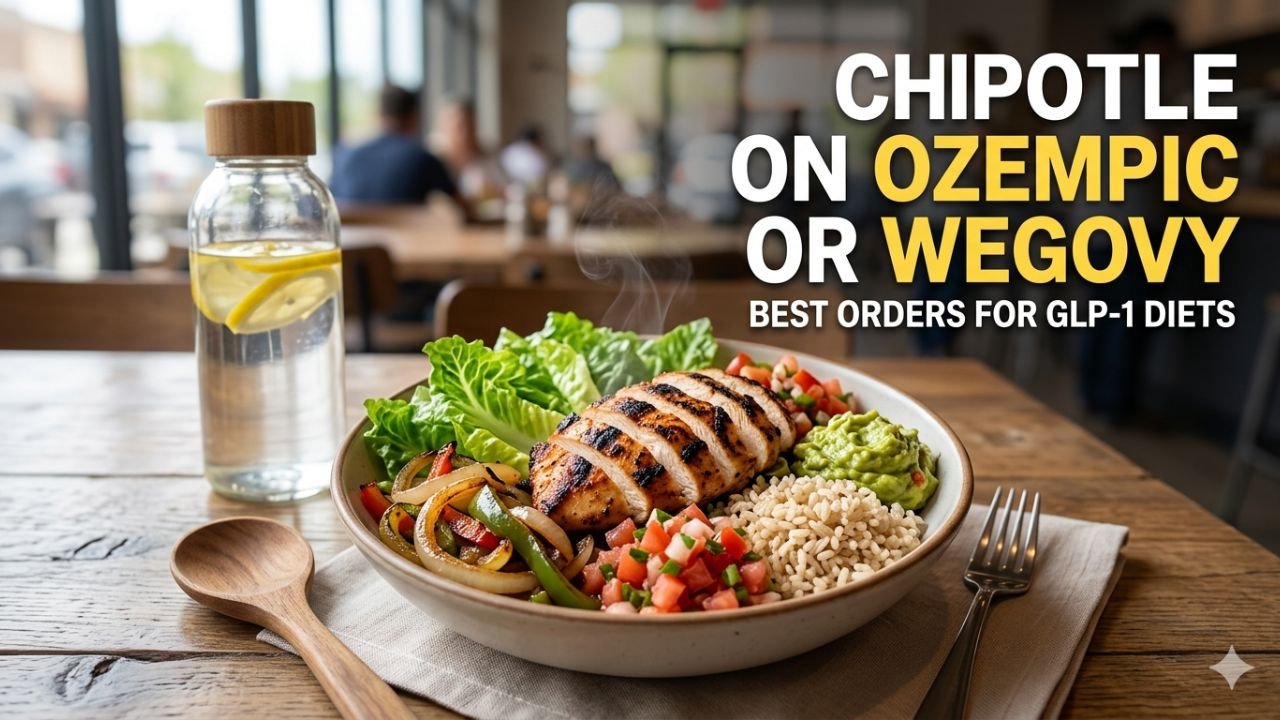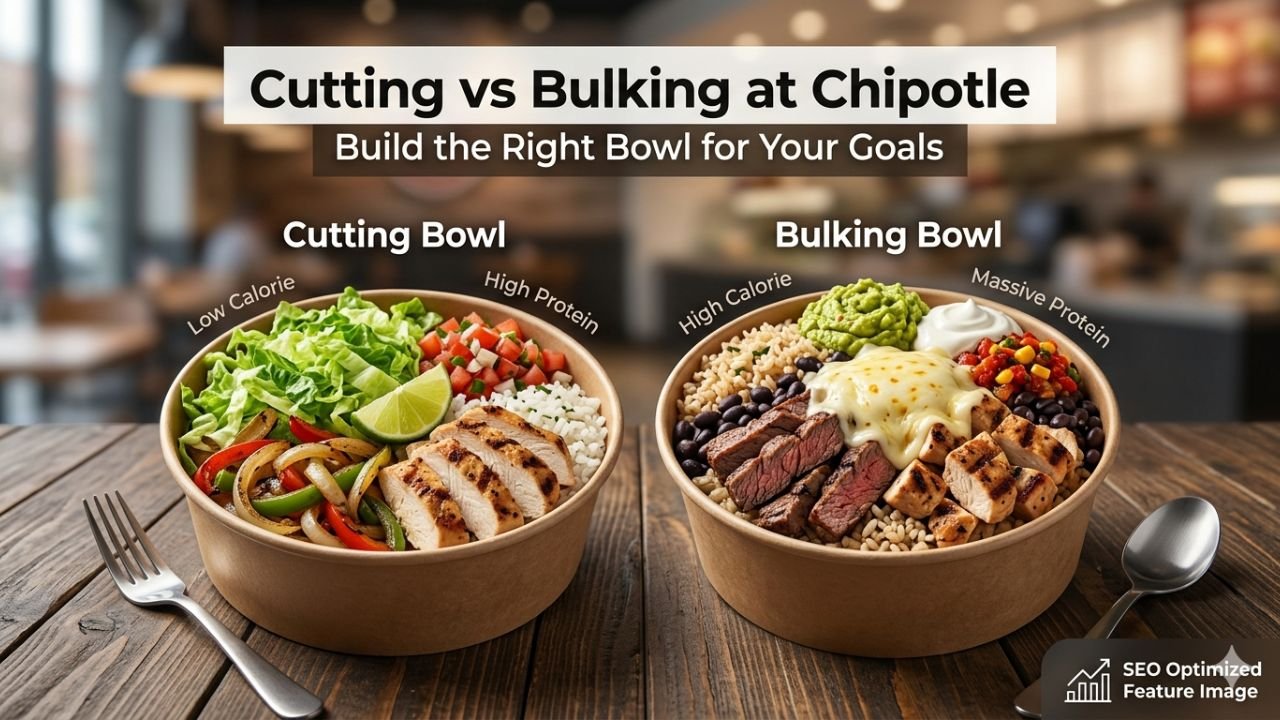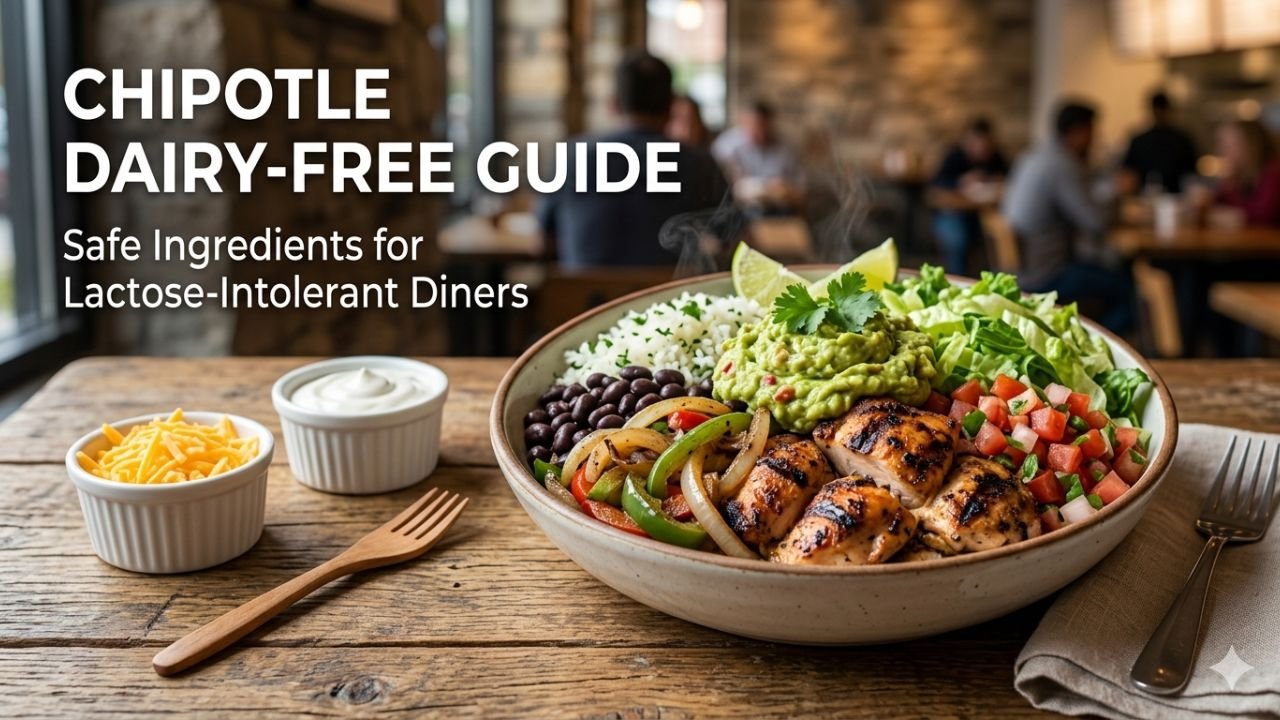
Let’s be honest. You’ve been there. It’s lunchtime, you’re running on three hours of sleep and half a granola bar, and you’re standing in line at a fast-casual Mexican spot trying to convince yourself that a burrito bowl is somehow a “healthy choice.”
But here’s the real question: is it actually?
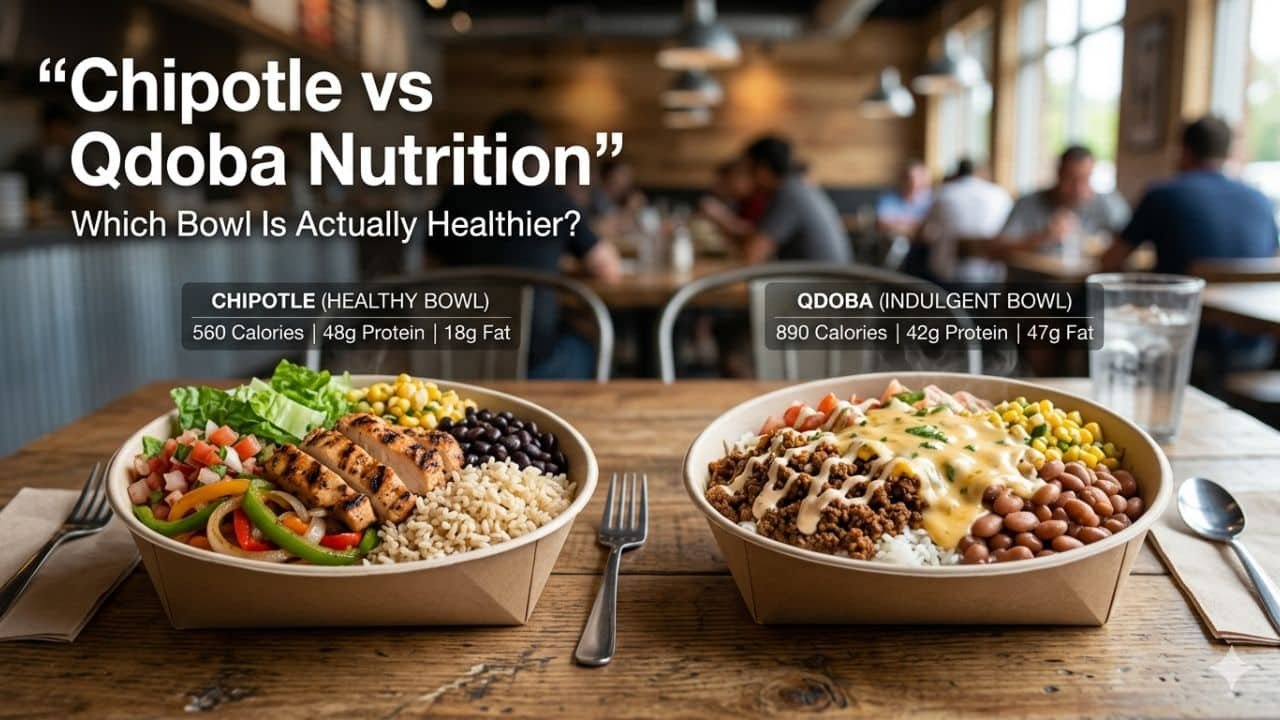
And if you’re choosing between Chipotle and Qdoba, two of the biggest names in the fast-casual Mexican food game, which one is going to treat your body better?
I dug into the actual nutrition numbers, compared real menu items side by side, and I’m going to break it all down for you in plain, simple terms. No diet-culture nonsense. No confusing charts. Just real talk about what you’re actually eating.
Let’s get into it.
Chipotle vs Qdoba: A Quick Overview
Before we talk nutrition, let’s quickly set the stage.
Chipotle has been around since 1993 and has built its reputation on simple, “Food With Integrity” ingredients. Their menu is intentionally minimal: a handful of proteins, a few salsas, and a very passionate fan base.
Qdoba launched in 1995 and takes a slightly different approach. They’re known for being more generous with toppings (free guacamole, anyone?) and offering a wider variety of options like queso, more flavored proteins, and extra sauces.
Both restaurants let you build your own bowl, burrito, or tacos. Both use fresh ingredients. And both can be surprisingly healthy or surprisingly unhealthy, depending on what you choose.
That’s the part most people miss.
The Calorie Comparison: Who Wins?
Okay, let’s talk numbers.
A standard chicken burrito bowl at Chipotle with white rice, black beans, chicken, fresh tomato salsa, and sour cream comes in at roughly 830 to 870 calories.
A comparable bowl at Qdoba same basic build, chicken, rice, beans, pico, and sour cream, lands around 800 to 860 calories.
So on the surface? They’re basically the same.
But here’s where it gets interesting.
Qdoba is famously generous with its portions. Like, very generous. If you’ve ever watched someone scoop your rice at Qdoba versus Chipotle, you know what I’m talking about. More food sounds great, but it also means more calories can sneak up on you fast.
Chipotle, on the other hand, tends to be more consistent with portion sizes, though that doesn’t mean their portions are small by any stretch.
Bottom line on calories: They’re neck and neck. Neither restaurant automatically “wins” on calories. It all comes down to what you load up your bowl with.
Protein Power: Which Bowl Keeps You Fuller Longer?
This is where things get really useful, especially if you’re trying to eat more protein or stay full through a long afternoon.
Chipotle Protein Options
- Chicken: ~32g protein per serving
- Steak: ~29g protein per serving
- Barbacoa: ~32g protein per serving
- Carnitas: ~23g protein per serving
- Sofritas (tofu): ~8g protein per serving
Qdoba Protein Options
- Grilled Chicken: ~33g protein per serving
- Grilled Steak: ~30g protein per serving
- Pulled Pork: ~26g protein per serving
- Ground Beef: ~24g protein per serving
- Plant-based Protein: ~18g protein per serving
Both places actually do pretty well on protein. If you’re going plant-based, Qdoba edges ahead their plant-based protein option, which offers significantly more than Chipotle’s Sofritas.
For meat-eaters, they’re roughly equal. Either way, a bowl with double protein (a popular move among gym-goers) from either spot can give you 50–65 grams of protein in one meal. That’s genuinely solid.
Sodium: The Hidden Number Most People Ignore
Here’s where things get a little uncomfortable.
Sodium is the sneaky villain in fast-casual eating, and both Chipotle and Qdoba have some high-sodium items hiding in plain sight.
A fully loaded Chipotle bowl can easily hit 1,500 to 2,000mg of sodium, which is close to the entire recommended daily limit for most adults in a single meal.
Qdoba’s numbers are similar, sometimes slightly higher if you’re adding queso or their signature sauces, which are delicious but pretty salty.
The biggest sodium culprits at both restaurants:
- Cheese
- Sour cream
- Queso (especially at Qdoba)
- Seasoned rice
- Fajita vegetables (yes, even the veggies are often seasoned with a lot of salt)
- Hot salsas
If you’re watching your sodium, maybe for blood pressure reasons or just overall health, this is the number to pay attention to more than calories.
Practical tip: Swap sour cream for a small amount of guacamole. It adds healthy fats and less sodium. Also, choosing fresh salsa (pico de gallo) over corn salsa or any of the creamier sauces significantly cuts down on sodium at both restaurants.
Fat Content: Good Fats vs. Not-So-Good Fats
Not all fat is created equal, and this is actually where both Chipotle and Qdoba can shine if you make the right choices.
Avocado-based items (guacamole) at both restaurants are genuinely good for you. They’re full of monounsaturated fats, the kind that support heart health and keep you satisfied.
Where the fat goes sideways:
- Cheese adds about 8–9g of fat per serving
- Sour cream adds another 9–10g
- Queso at Qdoba? Up to 12–15g per serving
A bowl with all three of those plus guacamole can easily have 40+ grams of fat. That’s not automatically “bad,” but it’s a lot in one sitting, and much of the fat from dairy sources is saturated.
Smart swap: Choose guacamole OR cheese, not both. You’ll get that creamy, satisfying element without overdoing saturated fat.
Fiber and Carbs: The Stuff That Actually Keeps You Going
If you’re trying to manage your energy levels (and honestly, who isn’t?), fiber and carbohydrates matter a lot.
The Rice Situation
Both restaurants offer white rice as the default, and both offer a brown rice option, though Chipotle’s brown rice is more consistently available across locations.
Chipotle brown rice: About 210 calories, 4g fiber. Chipotle white rice: About 210 calories, 1g fiber
The brown rice difference might seem small, but that extra fiber adds up over time and helps you feel fuller without adding calories.
Qdoba’s cilantro-lime rice (their version of seasoned white rice) is tasty but similar in nutrition to Chipotle’s white rice, lower fiber, and more of a simple carb load.
Beans: An Underrated Nutrition Hero
Both black beans and pinto beans are available at both restaurants, and honestly? Beans are one of the best things you can add to your bowl.
- About 120–130 calories per serving
- 6–8 grams of fiber
- 7–8 grams of protein
- Low in fat
Adding beans to your bowl at either Chipotle or Qdoba is a no-brainer move for nutrition. It costs almost nothing extra and significantly improves the nutritional profile of your meal.
Vegetables: Chipotle vs Qdoba Who Does Veggies Better?
This is a category where your choice of restaurant actually makes a difference.
Chipotle’s vegetable options are limited:
- Fajita vegetables (peppers and onions)
- Various salsas
- Lettuce
Qdoba offers a bit more variety:
- Fajita vegetables
- Corn salsa
- Multiple salsa options
- Pico de gallo
- More topping flexibility overall
If you’re someone who wants more color and variety in your bowl without adding calories, Qdoba has a slight edge here. More vegetable-based toppings mean more micronutrients, vitamins, antioxidants, and all that good stuff without a big calorie cost.
The Guacamole Factor: Qdoba’s Secret Weapon
Okay, here’s something that genuinely matters in the Chipotle vs Qdoba conversation.
At Chipotle, guacamole costs extra. Usually $2.45 to $3 more, depending on location.
At Qdoba, guacamole is free.
Now, why does this matter nutritionally?
Because guacamole is one of the healthiest things you can add to your bowl. Avocado is packed with potassium, healthy fats, and vitamin K. When it costs extra, people skip it and often replace it with sour cream or extra cheese, which are less nutritious choices.
Qdoba’s free guac policy, believe it or not, might actually encourage healthier eating habits.
Practical Tips: How to Build a Healthier Bowl at Either Restaurant
Whether you’re at Chipotle or Qdoba, these tips will help you make a genuinely good choice:
To lower calories:
- Ask for half portions of rice
- Skip the tortilla shell (a regular flour tortilla adds 300+ calories)
- Choose one creamy topping instead of three
To boost protein:
- Order double protein (usually a small upcharge)
- Add beans on top of your protein, not instead of it
- Choose chicken or barbacoa/pulled pork over ground beef for leaner options
To reduce sodium:
- Go easy on cheese and sour cream
- Choose fresh pico de gallo as your main salsa
- Skip the queso or have it on the side
To add more nutrition:
- Load up on fajita vegetables
- Add extra lettuce for volume and fiber
- Go with brown rice when it’s available
For plant-based eaters:
- Qdoba’s plant-based protein is more substantial
- Pile on beans, guac, and veggies for a complete amino acid profile
- Sofritas at Chipotle works too, just pair it with beans for more protein
Frequently Asked Questions
Is Chipotle or Qdoba healthier overall?
Neither one is automatically healthier than the other. Both restaurants use fresh ingredients and offer a wide range of nutritional options depending on what you order. Qdoba offers slightly more vegetable variety and free guacamole, which can encourage better choices. Chipotle tends to have more consistent portion sizes. Your bowl’s healthiness depends almost entirely on how you build it.
Which restaurant has fewer calories?
The calorie difference between comparable bowls at Chipotle and Qdoba is minimal, usually within 30 to 50 calories of each other. Chipotle may be slightly more predictable in portions, which can help with calorie management, but Qdoba’s larger portions can also feel more satisfying and prevent overeating later.
Can I eat at Chipotle or Qdoba on a diet?
Absolutely. Both restaurants can fit into almost any dietary approach, whether you’re counting calories, eating low-carb (skip the rice and beans, go heavy on protein and veg), following a high-protein plan, or just trying to eat more whole foods. The key is building your bowl intentionally rather than just saying yes to everything.
Which place is better for high-protein meals?
They’re very close. Both offer excellent protein-rich options. Qdoba edges ahead slightly for plant-based protein, while Chipotle’s barbacoa and chicken are both excellent lean protein sources. For meat-eaters, it’s essentially a tie.
Is the queso at Qdoba worth the extra calories?
If you love it, enjoy it, just be aware it adds significant fat, sodium, and calories. Think of it as an occasional indulgence rather than a bowl staple, and balance it out by skipping the cheese and sour cream.
Conclusion
Here’s the truth after looking at all the numbers and comparing these two restaurants side by side:
There is no clear winner.
Both Chipotle and Qdoba can serve you a genuinely healthy, satisfying, nutritious meal. And both can also serve you a calorie bomb wrapped in foil if you’re not paying attention.
The difference isn’t really which restaurant you choose — it’s how you build your bowl.
Qdoba gets a slight edge for vegetable variety, free guacamole, and a stronger plant-based protein option. Chipotle gets credit for simpler ingredients, consistent portions, and excellent lean meat choices.
But if you walk into either one with a plan, lean protein, extra vegetables, one creamy topping, go easy on the rice, add beans, you’re going to walk out with a meal you can feel genuinely good about.
So next time you’re standing in that line, staring at the menu, half-asleep and hungry, you now know exactly what to do.
Build it smart. Enjoy every bite. And stop feeling guilty about loving a good burrito bowl.
You’ve earned it.
Want to see how your Chipotle build stacks up? Run it through our Chipotle bowl calories calculator — or explore every ingredient on our free Chipotle nutrition calculator.