Let’s be real for a second. Managing diabetes while trying to eat out feels like a full-time job sometimes. You’re scanning menus, doing mental math on carbs, and trying not to feel like the “difficult one” at the table. And then your friends say, “Let’s grab Chipotle!” and your stomach drops a little.
But here’s the thing: Chipotle is actually one of the more diabetes-friendly fast-casual restaurants out there. You just need to know what to pick, what to skip, and how to build your bowl (or burrito) in a way that keeps your blood sugar steady.
This guide is written for real people living with Type 1 or Type 2 diabetes or even prediabetes who want to enjoy a meal without the guilt or the glucose spike. Let’s dig in.
First, Why Does Chipotle Even Matter for Diabetics?
When you have diabetes, every meal is a decision. Carbohydrates raise blood sugar, fat slows digestion, fiber helps stabilize glucose levels, and protein keeps you full. A restaurant that lets you customize every single ingredient? That’s actually a gift.
Chipotle’s build-your-own model is something most chain restaurants don’t offer. You’re not locked into a pre-made sandwich or a combo meal loaded with hidden sugars. You pick every layer yourself. That level of control is rare and powerful.
The key is knowing which choices are your friends and which ones are secretly working against you.
Understanding the Glycemic Index (And Why It Matters Here)
Before we get into the actual menu, let’s talk quickly about the glycemic index or GI. This is a scale that measures how quickly a food raises your blood sugar. Low-GI foods (55 and below) are slower to digest and cause a more gradual rise. High-GI foods spike your blood sugar fast.
For diabetics, low-GI options are generally the smarter choice. But here’s something people often miss: the glycemic load matters too. That’s the GI of a food combined with how much of it you’re eating. So a small portion of a medium-GI food might actually be fine, while a huge bowl of a “low-GI” food could still cause problems.
Keep this in mind as we walk through the Chipotle menu.
The Chipotle Menu: What’s Safe, What’s Risky, and What to Avoid
Start Here: The Base Matters Most
This is where most people make their biggest mistake. The base of your Chipotle meal sets the tone for your entire blood sugar response.
White Rice Be Careful
White rice is one of the highest-carb items on the menu. A single serving at Chipotle contains around 40 grams of carbohydrates. It’s also relatively high on the glycemic index. If you’re someone who needs to watch carbs closely, white rice is the first thing to cut back on — or skip entirely.
That said, if you love the rice and just can’t give it up, consider asking for half a serving. Many Chipotle employees will do this without any fuss.
Brown Rice: A Slightly Better Option
Brown rice has more fiber than white rice, which does slow digestion a bit. But the carb count is similar — around 40 grams per serving. It’s marginally better, but it’s not a game-changer. If you’re watching carbs, it’s still worth limiting.
The Real Hero: The Burrito Bowl (No Rice)
Here’s where the magic happens. Skip the rice base entirely and load your bowl with protein, veggies, beans (in moderation), and toppings. You’ll cut 40 grams of carbs right off the top, and honestly, a rice-free bowl still tastes amazing when it’s built right.
Lettuce Wrap / Salad Base
Choosing the salad base (romaine lettuce) instead of a tortilla or rice is a fantastic low-carb move. You get crunch, freshness, and practically zero carbs from the base. It’s a great alternative to the burrito if you’re trying to keep carbs low.
Protein Choices: The Foundation of a Diabetic-Friendly Meal
Protein is your best friend at Chipotle. It keeps blood sugar steady, keeps you full, and doesn’t spike glucose levels. Here are your options:
Chicken (Grilled) This is probably the best protein choice for most diabetics. It’s lean, well-seasoned, relatively low in fat, and has virtually zero carbs. A serving runs about 180 calories with 32 grams of protein. It’s a solid, clean option.
Grilled steak at Chipotle is another great pick. Similar carb count (near zero), higher in fat than chicken, but still a quality protein choice. If you enjoy red meat, this works well.
Barbacoa: Slow-cooked and flavorful barbacoa is a great protein option, too. It’s slightly higher in fat, but the carb count stays low. If you want bold flavor without compromising your blood sugar, barbacoa delivers.
Carnitas Carnitas (pulled pork) is delicious and also very low in carbs. It’s a bit higher in fat, but fat actually helps slow glucose absorption, which isn’t necessarily a bad thing for diabetics in moderate amounts.
Sofritas (Plant-Based) If you’re vegetarian or vegan, sofritas is the plant-based protein option. It’s made from braised tofu with spices. The carb count is a little higher than the meat options (around 9 grams per serving), but it’s still a reasonable choice.
Beans: Helpful or Harmful?
Beans are a topic of debate in the diabetic community. Here’s the truth: beans are actually a relatively low-glycemic food. They’re high in fiber, which slows digestion and the release of glucose into the bloodstream. They also have protein.
Black Beans: Around 22 grams of carbs per serving, but a significant chunk of that is fiber. They’re generally considered a better choice than white rice for blood sugar management.
Pinto Beans: Similar profile to black beans. Slightly different flavor. Both are reasonable options in moderation.
The keyword here is moderation. A full serving of beans on top of rice and a tortilla can push your carb count through the roof. If you’re going rice-free, a half-serving of beans can actually add valuable fiber and nutrition to your bowl.
Toppings That Help vs. Toppings That Hurt
This is where Chipotle gets fun and where you can make a meal that’s genuinely nutritious and blood-sugar friendly.
Toppings That Are Your Friends:
- Fajita Vegetables: peppers and onions, grilled. Low in carbs, high in flavor. Always say yes to these.
- Fresh Tomato Salsa (Pico de Gallo) is low-carb, fresh, and packed with antioxidants. Great choice.
- Tomatillo Salsa (Green or Red) is a low-carb option with good flavor.
- Guacamole, yes, it adds calories, but avocado is rich in healthy fats and fiber. It can actually help slow blood sugar absorption. This is worth it.
- Sour Cream very low in carbs. If you enjoy it, a small amount won’t hurt.
- Cheese is also very low in carbs. Adds flavor and fat without significantly affecting blood sugar.
- Romaine Lettuce has zero carbs, adds crunch and volume.
Toppings to Watch:
- Corn Salsa, this one surprises people. Corn has a moderate glycemic index, and the salsa adds about 20 grams of carbs. It’s not terrible, but be mindful of portion size.
- Chipotle-Honey Vinaigrette (for salads), the word “honey” should raise a flag. This dressing has added sugar. Ask for it on the side and use it sparingly, or skip it entirely.
The Tortilla Situation
Let’s talk about the elephant in the room, or rather, the flour tortilla wrapping your burrito.
A standard Chipotle flour tortilla contains about 48 to 50 grams of carbohydrates. That’s before you’ve added a single thing inside it. For many diabetics, that’s already near the upper limit for a single meal’s worth of carbs.
If you love the burrito format, here’s what you can do:
- Ask for a bowl and enjoy all the same fillings without the tortilla wrap
- Order the soft tacos with corn tortillas. Corn tortillas are smaller and lower in carbs than flour ones (around 12–13 grams each)
- Try the lettuce wrap option for a zero-carb shell experience
There’s no shame in ordering a bowl. Honestly? Most people who try it say they enjoy it just as much.
How to Build the Perfect Diabetic-Friendly Chipotle Order
Let’s put this all together. Here’s a real-life example of a blood-sugar-smart Chipotle order:
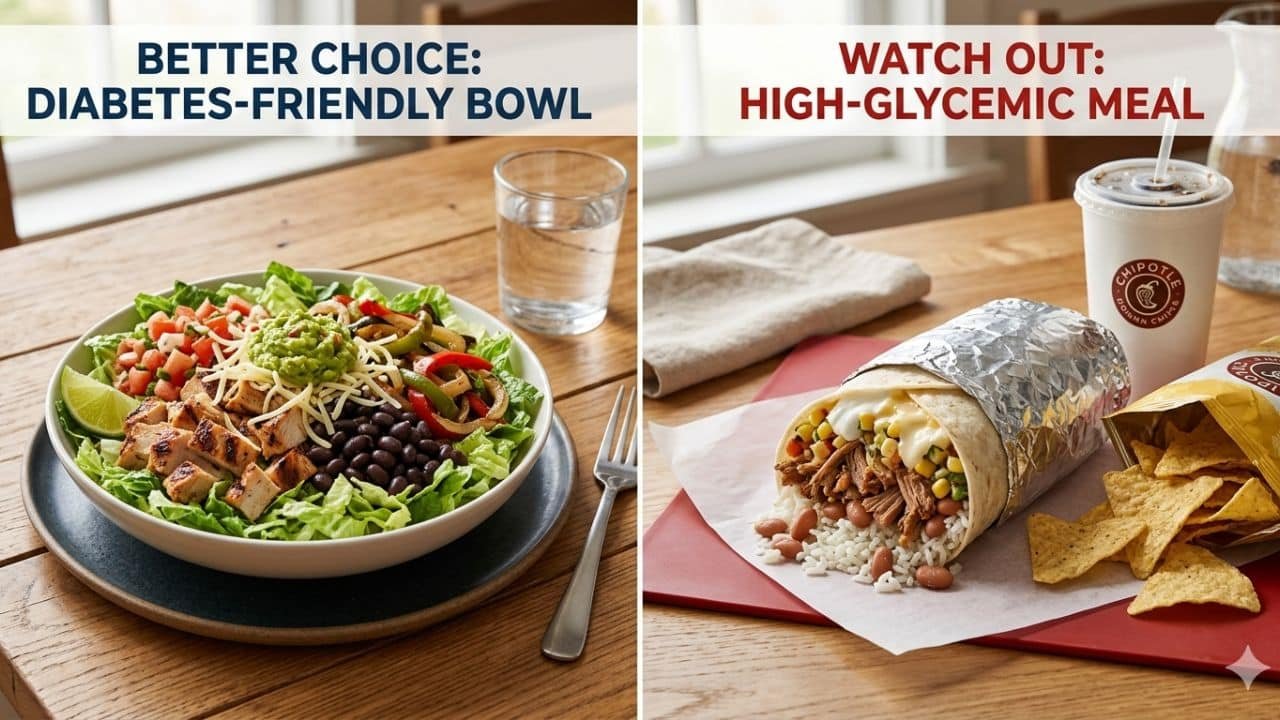
Option 1: The Low-Carb Power Bowl
- Base: Romaine lettuce (salad)
- Protein: Grilled chicken or steak
- Toppings: Fajita veggies, pico de gallo, green tomatillo salsa, guacamole, sour cream, cheese
- Estimated carbs: Around 15–20 grams total
Option 2: The Balanced Bowl
- Base: Half serving of brown rice
- Protein: Barbacoa or carnitas
- Beans: Half serving of black beans
- Toppings: Fajita veggies, pico de gallo, guacamole, cheese
- Estimated carbs: Around 35–45 grams total (manageable with good insulin timing or medication)
Option 3: Taco Style (Lower Carb)
- Two corn tortilla tacos
- Protein: Chicken or sofritas
- Toppings: Lettuce, pico de gallo, cheese, green salsa
- Estimated carbs: Around 35–40 grams total
Practical Tips for Eating Chipotle With Diabetes
Here are some real-world tips from people who manage diabetes and still enjoy Chipotle regularly:
- Always check Chipotle’s nutrition calculator online before you go. Their website lets you build your meal and see the exact carb count. No guessing involved.
- Don’t be shy about asking for half portions. Rice, beans, you can ask for less of anything. The staff is used to customization.
- Pair your meal with water, not juice or soda. Sweetened drinks can spike your blood sugar even if your food is perfectly balanced.
- Eat slowly and mindfully. Fast eating can cause faster blood sugar spikes. Enjoy your meal.
- Check your blood sugar 1–2 hours after eating if you’re experimenting with new Chipotle combinations. This helps you understand how your body responds to specific meals.
- Go for the guac. Seriously. Healthy fat helps slow glucose absorption and keeps you fuller longer.
Frequently Asked Questions
Can a Type 2 diabetic eat at Chipotle regularly?
Absolutely with the right choices. Building a bowl with lean protein, lots of veggies, healthy fats like guacamole, and minimal or no rice/tortilla makes Chipotle a genuinely viable option for regular meals. The key is consistency with your choices and checking your blood sugar responses over time.
Is Chipotle’s rice okay for diabetics?
White rice specifically is something to limit, as it’s high-glycemic and carb-dense. Brown rice is marginally better due to its fiber content. If you’re keeping a close eye on carbs, skipping rice altogether and adding more veggies and protein is the smarter move.
What’s the lowest-carb Chipotle meal possible?
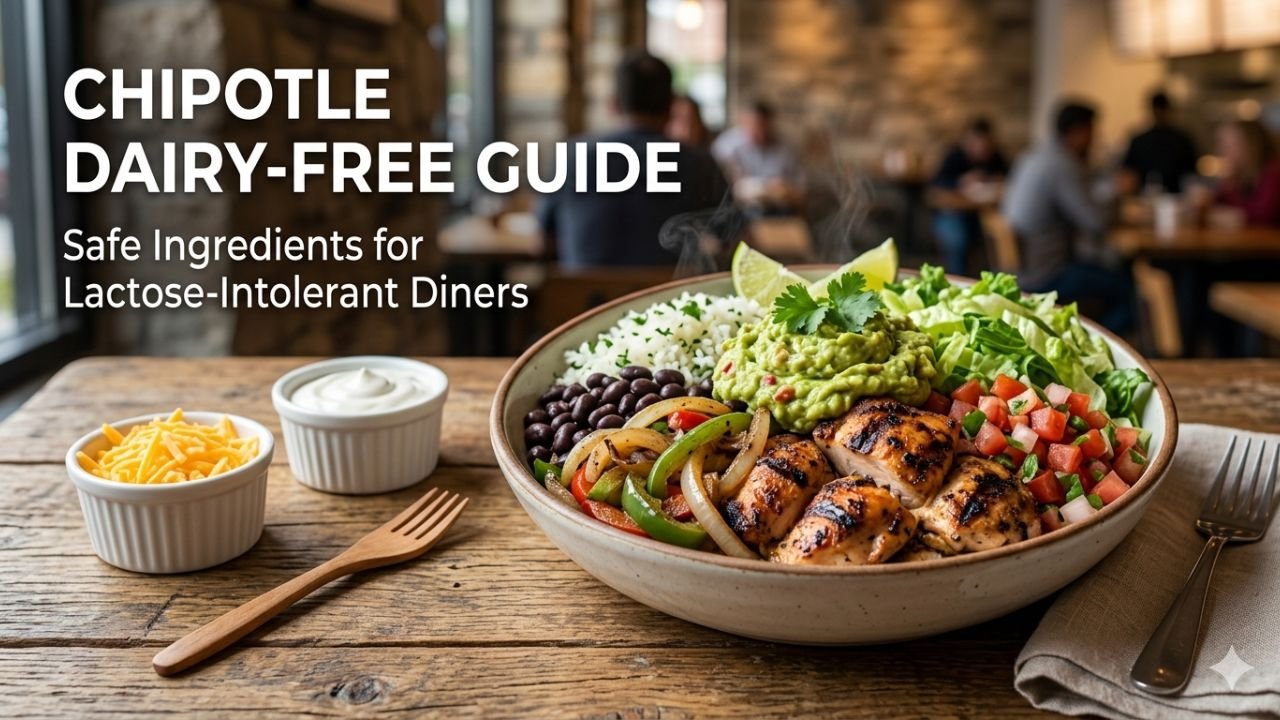
The lowest-carb order would be a salad bowl with romaine lettuce as the base, grilled chicken or steak, fajita vegetables, pico de gallo, green salsa, sour cream, cheese, and guacamole. This combination comes in under 20 grams of carbohydrates, quite impressive for a fast-casual meal.
Is Chipotle’s guacamole good for diabetics?
Yes! Guacamole is made primarily from avocado, which is rich in healthy monounsaturated fats and fiber. These components actually help slow blood sugar absorption and improve insulin sensitivity over time. Just be mindful that it does add calories.
How do I know how many carbs are in my Chipotle order?
Chipotle has a detailed nutrition calculator on their website (chipotle.com). You can build your exact order and get a full nutritional breakdown, including carbohydrates, fiber, protein, and fat. It’s one of the most transparent tools in the fast-food industry. Use it!
Conclusion
Living with diabetes doesn’t mean you’re permanently banned from enjoying a good meal with friends. It means you’ve learned to be thoughtful, intentional, and informed, and honestly, that’s something to be proud of.
Chipotle, with its customize-everything model, is actually one of the better fast-casual options for diabetics. Skip or reduce the rice. Ditch the flour tortilla when you can. Load up on protein, fiber-rich veggies, healthy fats, and low-carb salsas. Use their nutrition calculator to build confidence in your choices.
Your health doesn’t have to come at the cost of your enjoyment. A rice-free chicken bowl with guac, fajita veggies, and fresh salsa is genuinely delicious, and your blood sugar will thank you for it.
So next time your friends say “Let’s get Chipotle,” you can say yes and mean it.