We’ve all been there. You’re building your Chipotle bowl, feeling great about your choices: brown rice, grilled chicken, black beans, and then the employee asks the question that stops everyone cold:
“Would you like to add guacamole? Just so you know, it’s extra.”
And for a second, you pause. Is it worth it? Is it healthy? How many calories are we actually talking about here? Will this one scoop of green goodness derail your entire day?
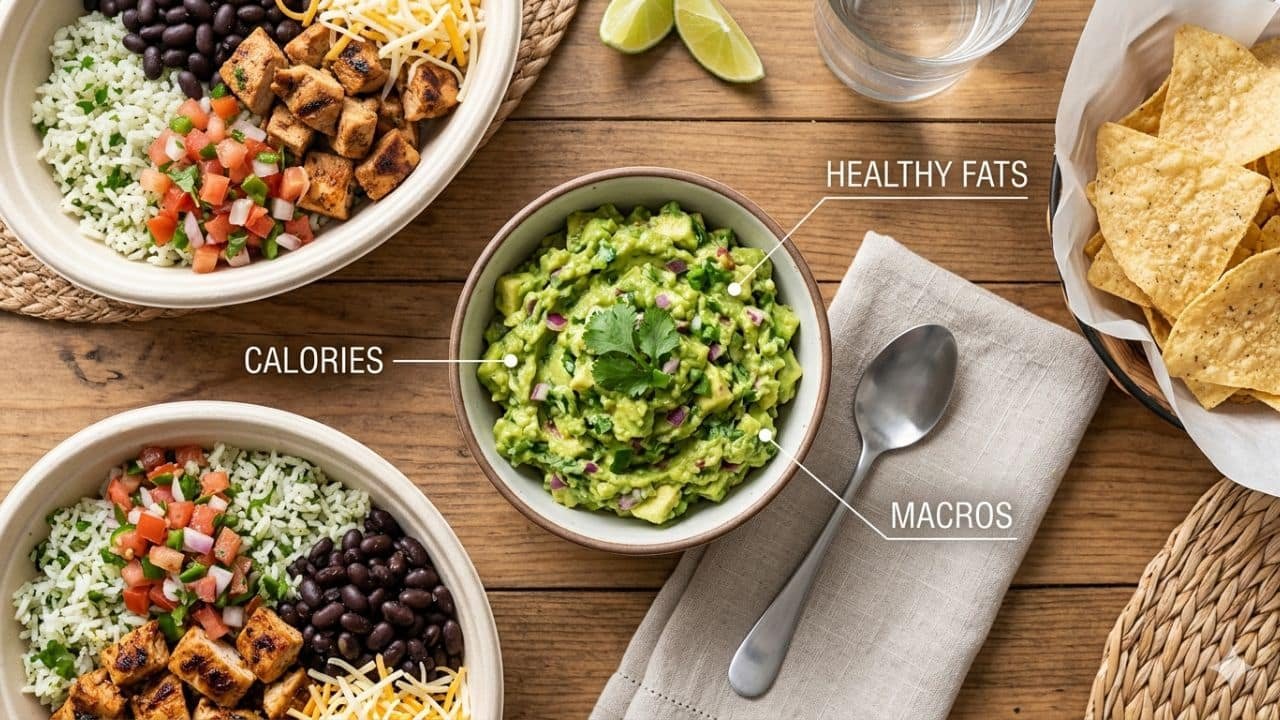
Relax. I’ve done the deep dive, so you don’t have to. In this post, we’re breaking down everything you need to know about Chipotle guacamole nutrition facts, the calories, the fats, the ingredients, and the big question: Is it actually good for you or just a delicious excuse?
Let’s dig in.
What’s Actually in Chipotle’s Guacamole?
Before we get into the numbers, let’s talk ingredients. One of the reasons people love Chipotle’s guac is that it’s genuinely simple and real. No weird preservatives, no artificial flavors. Just food.
According to Chipotle’s own ingredient transparency list, their guacamole is made from:
- Hass avocados (the star of the show)
- Fresh lime juice
- Cilantro
- Red onion
- Jalapeños
- Kosher salt
That’s it. Six ingredients. Nothing you couldn’t buy at your local grocery store and throw together on a Sunday afternoon. And honestly? That simplicity is exactly why it tastes so fresh every single time.
The avocados are hand-mashed daily in each restaurant, which is why the texture can vary slightly from visit to visit and why it tastes noticeably better than the stuff sitting in a jar on a supermarket shelf.
Chipotle Guacamole Nutrition Facts: The Full Breakdown
Okay, here’s what you actually came for. Let’s look at the numbers for a standard side serving of Chipotle guacamole (about 3.5 oz / 99g):
|
Nutrient |
Amount |
|
Calories |
230 |
|
Total Fat |
21g |
|
Saturated Fat |
3g |
|
Trans Fat |
0g |
|
Cholesterol |
0mg |
|
Sodium |
370mg |
|
Total Carbohydrates |
12g |
|
Dietary Fiber |
7g |
|
Total Sugars |
1g |
|
Protein |
3g |
|
Vitamin C |
15% DV |
|
Vitamin E |
14% DV |
|
Potassium |
10% DV |
These numbers are for the side cup of guac, the portion you get when you order it as an add-on or alongside chips. If you’re getting guac added directly to your burrito or bowl, the portion size might be slightly smaller (around 2.5 oz).
Now, let’s break this down into what actually matters for your health.
The Calorie Count: Should You Be Worried?
At 230 calories for a side serving, Chipotle guacamole isn’t exactly a “free food.” But here’s the thing, those 230 calories are not created equal to, say, 230 calories of French fries or soda.
When you’re eating nutrient-dense food, calories tell only part of the story. A scoop of guac comes packed with fiber, vitamins, and heart-healthy fats that keep you full, fuel your brain, and do your body real favors.
Compare this to some other Chipotle add-ons:
- Sour cream 120 calories (less, but mostly saturated fat with fewer benefits)
- Queso Blanco (side) 120 calories (again, mostly saturated fat and sodium)
- Vinaigrette dressing 270 calories (mostly refined oil, little nutrition)
So when you frame it that way, guacamole is actually one of the smarter high-calorie add-ons you can choose.
Let’s Talk About Those Fats: The Good Kind
Here’s where people tend to freak out: 21 grams of fat. That sounds like a lot, right?
But wait, before you close the tab and never speak of this again, let’s look at the type of fat.
Most of the fat in Chipotle’s guacamole comes from avocados, which are loaded with monounsaturated fatty acids (MUFAs), specifically oleic acid, the same type of fat found in olive oil.
Why monounsaturated fats are actually great for you:
- They help lower LDL (bad) cholesterol while maintaining HDL (good) cholesterol
- They reduce inflammation in the body
- They support heart health (backed by extensive research)
- They help you absorb fat-soluble vitamins like A, D, E, and K from other foods in your meal.
- They keep you feeling full longer, which can actually help with weight management.
Only about 3 grams of that 21g total fat count is saturated fat, well within a healthy daily range. There’s zero trans fat, which is exactly what you want to see.
So yes, guac is high in fat. But it’s the kind of fat your body genuinely needs. The kind that doctors actually recommend.
Fiber, Vitamins & Everything Else You’re Getting
Beyond the healthy fats, Chipotle’s guacamole brings some serious nutritional muscle to the table.
Dietary Fiber 7 Grams
That’s about 25% of your daily recommended fiber intake in one scoop. Fiber is crucial for digestive health, blood sugar regulation, and keeping you satisfied between meals. Most Americans don’t get nearly enough fiber, so this is a real win.
Potassium
Avocados are famously high in potassium, even more so than bananas. Potassium supports healthy blood pressure, muscle function, and heart rhythm. This is especially important if your diet is higher in sodium (and let’s be honest, a Chipotle burrito can be).
Vitamin C & Vitamin E
You’re getting 15% of your daily Vitamin C and 14% of Vitamin E from a side of guac. Both are powerful antioxidants that support immune function, skin health, and protect your cells from oxidative damage.
Folate
Avocados are one of the best food sources of folate, a B-vitamin that’s essential for cell repair and especially important during pregnancy.
All of this from a little green dip. Pretty impressive, right?
Sodium: The One Thing to Watch
Here’s the one asterisk on the otherwise stellar nutrition profile: 370mg of sodium per serving.
That’s about 16% of the recommended daily limit. It’s not outrageous, but it’s worth being aware of, especially because a full Chipotle meal can stack up in sodium pretty quickly between the rice, beans, salsa, and proteins.
If you’re watching your salt intake for blood pressure or heart health reasons, just keep this in mind as part of your overall meal calculation, not a dealbreaker on its own.
Is Chipotle Guacamole Actually Healthy? Here’s the Real Answer
Short answer: Yes, genuinely.
Longer answer: It depends on the context of your whole meal and your personal health goals, but on its own, Chipotle guacamole is one of the most nutritionally valuable items on the menu.
It’s a great choice if you:
- Are you following a Mediterranean-style or heart-healthy diet
- Eat low-carb or keto (healthy fats, moderate carbs, good fiber)
- Follow a plant-based or vegan lifestyle (it’s completely animal-product free)
- Are you trying to eat whole, minimally processed foods
- Want something that genuinely fills you up and tastes incredible
You might want to be more mindful if you:
- Are you tracking strict calorie deficits for weight loss (230 cal is significant)
- Have a sodium-sensitive condition, and your overall meal is already high in salt
- Are you ordering guac with a large side of chips? That combo quickly adds up
Practical Tips: How to Enjoy Chipotle Guac Without Overthinking It
Look, food should be joyful. Here are a few practical ways to make the most of your guac experience without stressing:
Skip the chips, keep the guac. Chips add another 570 calories and a lot of sodium. Order guac on your bowl or burrito instead, and you get all the flavor without the extra load.
Use it as your fat source. If you’re adding guac, consider skipping the sour cream or cheese. That way, you get a healthier fat profile without doubling up.
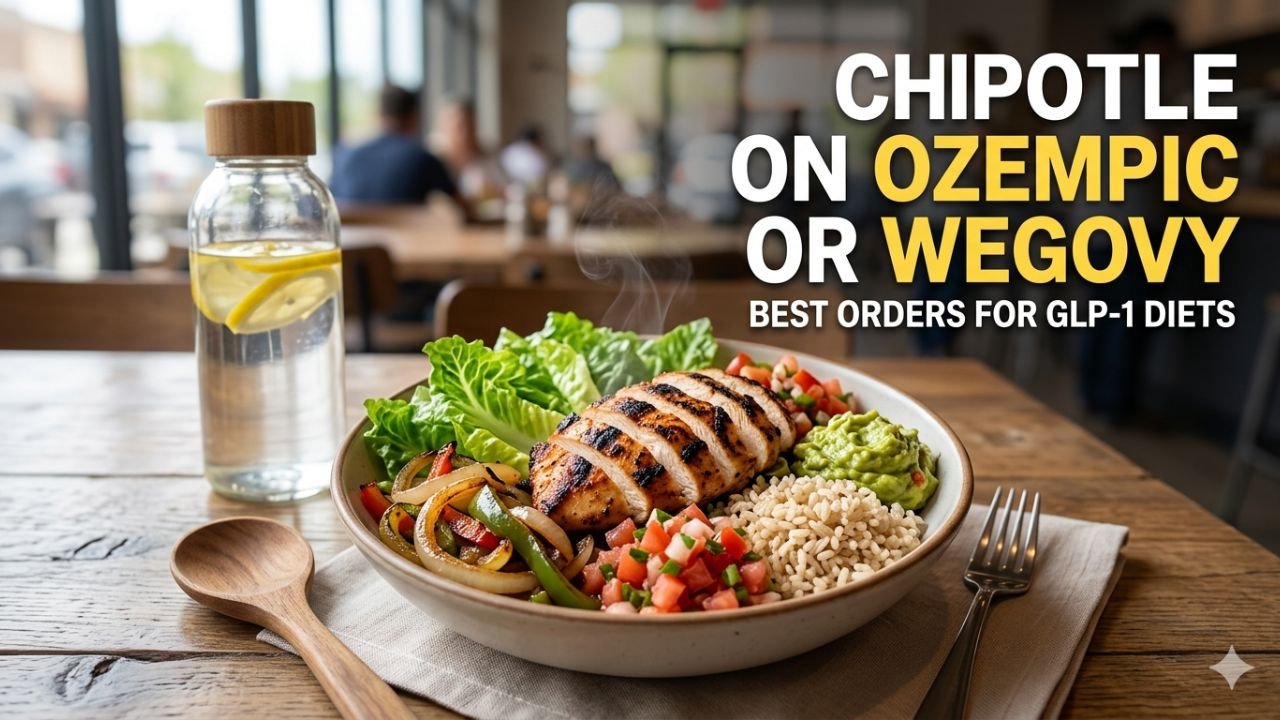
Balance it with veggie-heavy choices. Load your bowl with fajita veggies, fresh tomato salsa, and lettuce to balance the meal and keep overall calories reasonable.
Make it a side for sharing. If you’re eating with someone, share a side of guac between two people and dip your burrito or bowl bites; you get the flavor, half the calories.
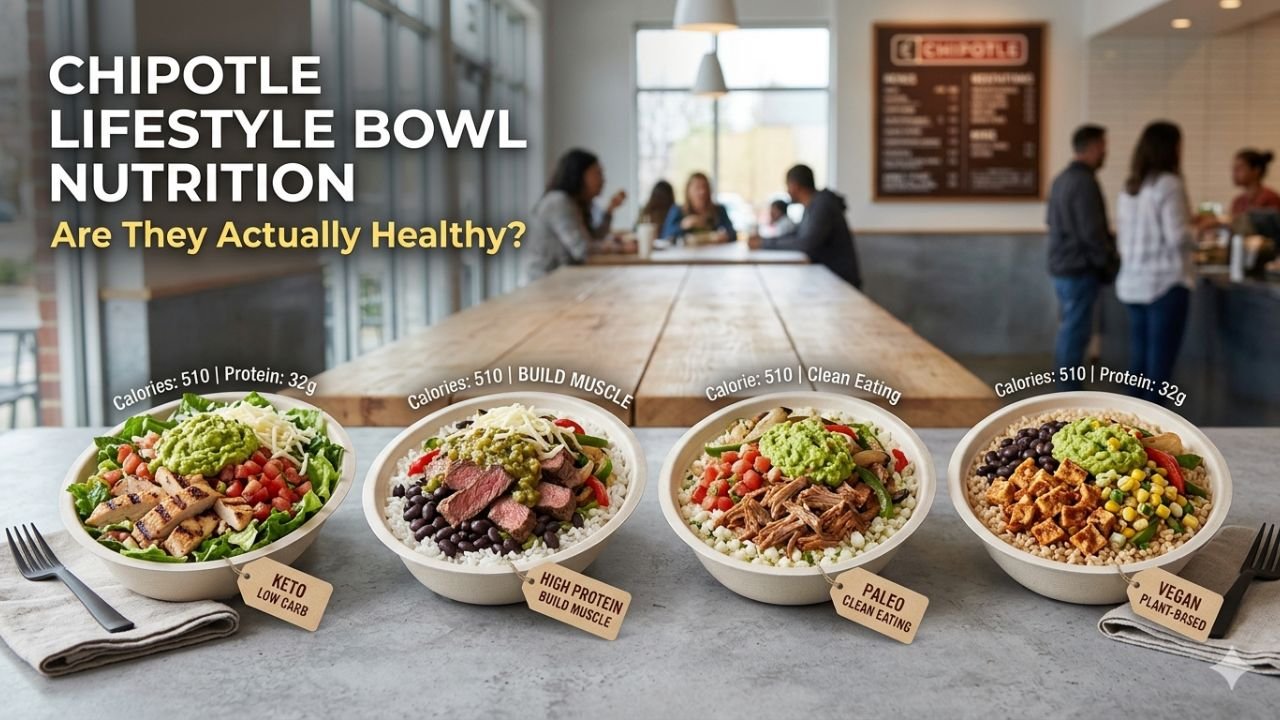
Ask for guac in your lifestyle bowl. Chipotle’s lifestyle bowls (like the Whole30 or Keto bowl) often already include guac; it’s built in as the healthy fat source.
Chipotle Guacamole vs. Store-Bought: Is There a Difference?
Nutritionally, it depends on the brand, but quality-wise, Chipotle’s guac wins almost every time.
Most store-bought guacamoles include added preservatives, fillers like pea protein or starch, artificial colors to keep them green, and significantly more sodium. Some budget guacs barely contain real avocado at all.
Chipotle’s version is made fresh, in-restaurant, daily. You can literally watch them mash it in many locations. That freshness matters not just for taste but for nutrient preservation too. Avocado nutrients degrade when exposed to air and heat over time.
If you want something close to home, Chipotle actually shares its guacamole recipe publicly. Try it with ripe Hass avocados, fresh lime, cilantro, a bit of red onion, some diced jalapeño, and a pinch of salt. It takes about five minutes and costs a fraction of the price.
Frequently Asked Questions
How many calories are in Chipotle guacamole added to a bowl vs. as a side?
When added to a bowl or burrito, the guacamole portion is slightly smaller, around 2.5 oz, versus the 3.5 oz side cup. This brings the calorie count to approximately 150–160 calories rather than 230. So if you’re watching calories but still want the benefits, getting it in your bowl instead of as a side is a smart move.
Is Chipotle’s guacamole keto-friendly?
Absolutely. With only 12 grams of total carbs and 7 grams of fiber, the net carbs come to just about 5 grams per serving. Combined with its high healthy fat content and moderate protein, guac fits perfectly into a ketogenic eating plan.
Is Chipotle’s guacamole vegan?
Yes, completely. The ingredients are 100% plant-based avocado, lime juice, cilantro, red onion, jalapeños, and salt. No animal products whatsoever, making it ideal for vegans and vegetarians.
Does Chipotle’s guacamole contain any allergens?
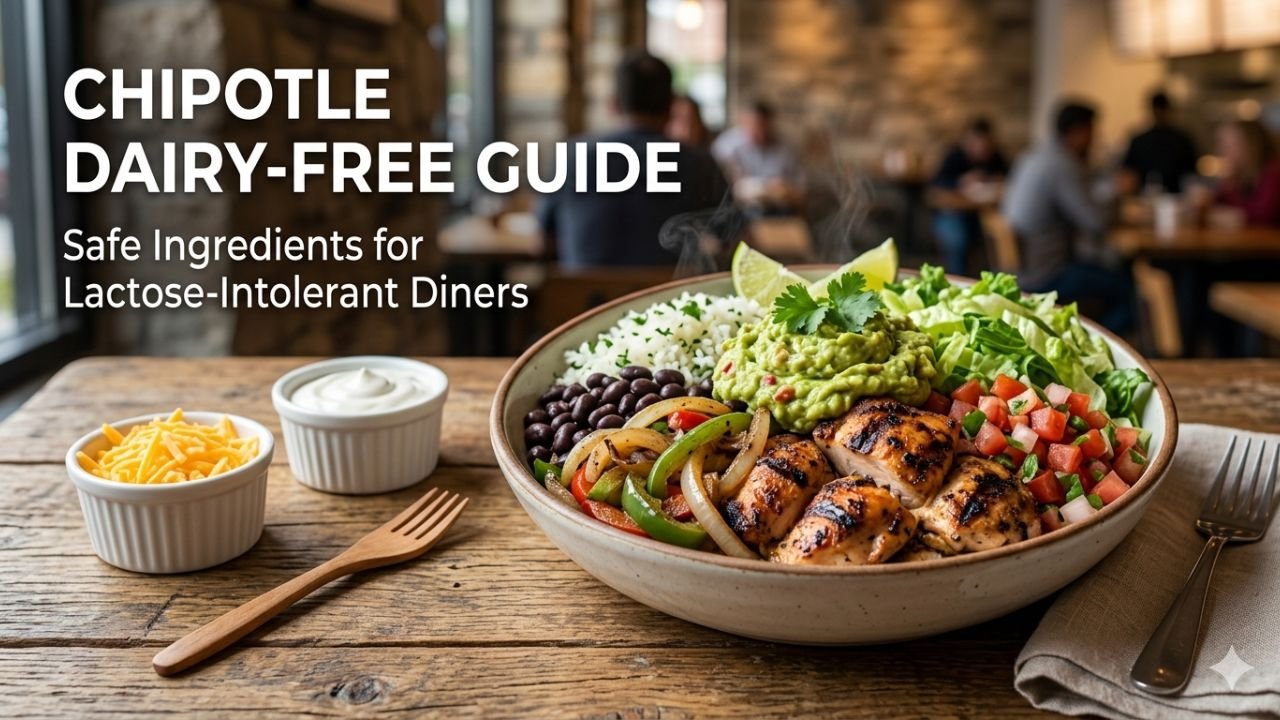
Chipotle’s guacamole is free from the most common allergens: no dairy, gluten, eggs, soy, tree nuts, or peanuts. However, if you have severe food allergies, always check directly with the restaurant since cross-contamination can occur in a busy kitchen environment.
Can I eat Chipotle guacamole if I’m trying to lose weight?
Yes, but with awareness. The healthy fats in guac actually support weight management by keeping you full and satisfied, which can reduce overeating later. However, it’s calorie-dense, so it works best as part of a thoughtfully portioned meal. Pairing guac with lean proteins and lots of vegetables in your bowl makes it a satisfying, weight-loss-compatible choice.
Conclusion
Here’s my honest take: Yes. Absolutely yes.
Not just because Chipotle guacamole tastes incredible (which it does), but because you’re genuinely getting a nutritionally powerful food with real health benefits. You’re not paying extra for empty calories, you’re investing in healthy fats your heart loves, fiber your gut needs, vitamins your body uses, and flavor your taste buds will thank you for.
In a world where fast food “extras” usually mean more sugar, more synthetic ingredients, and more regret, guac is the rare exception. It’s real food. It’s simple food. And yes, it’s worth every penny and every calorie.
Next time that Chipotle employee asks, “Would you like guacamole?” smile, nod, and say yes with zero guilt. You’ve got the nutrition facts to back you up now.
Want the full picture for your usual order? Run it through our Chipotle bowl calories calculator, or explore every ingredient with the free Chipotle nutrition calculator.