You’re a college student. Some days, you swipe into the dining hall. Other days, you grab a burrito bowl at Chipotle. But here’s the real question nobody talks about: Are you actually eating that differently?
Let’s be honest. When you’re in college, nutrition isn’t always your top priority. You’re juggling deadlines, group projects, and maybe a part-time job on the side. You eat what’s fast, affordable, and available.
Chipotle and your campus dining hall are probably your two most common options. They both serve filling food. They both feel somewhat “real” compared to chips from a vending machine. But nutritionally? They’re not the same, me and the difference might actually surprise you.
In this post, we’re going to break it all down: calories, protein, sodium, customization options, and which one actually serves you better on a busy Tuesday night.
First, Let’s Talk About Chipotle’s Nutrition
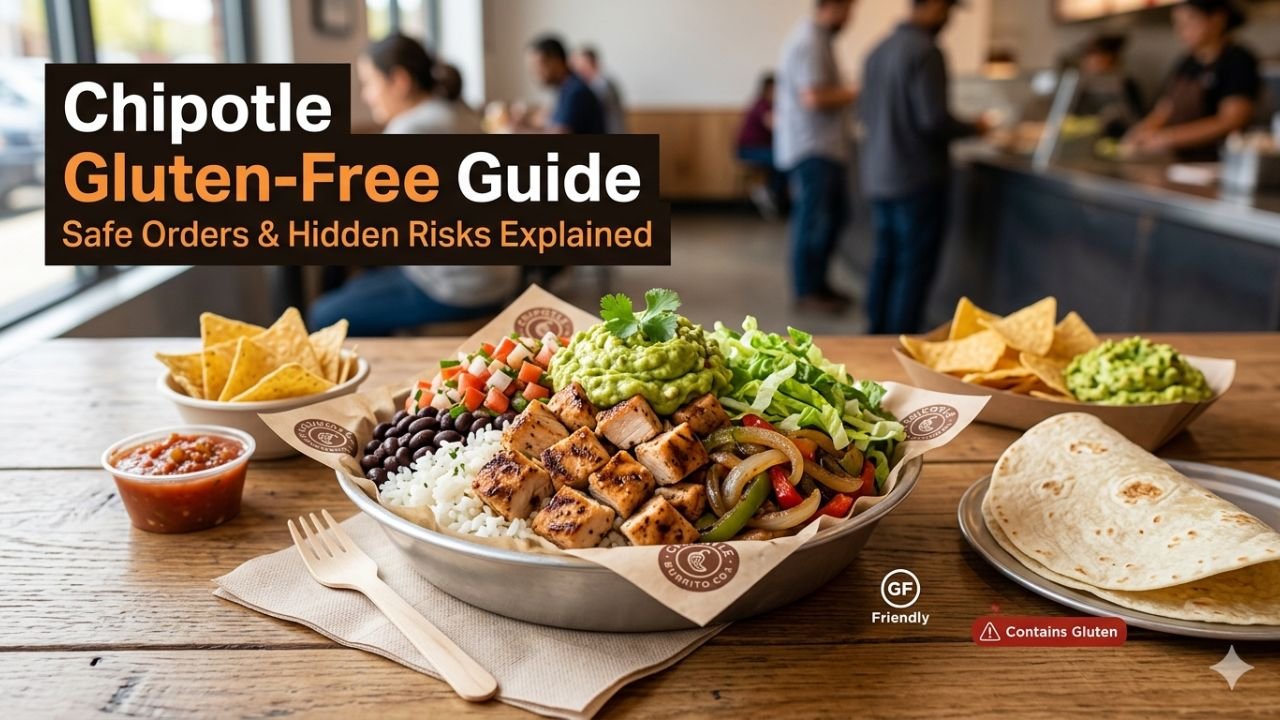
Chipotle has built its brand on the idea of “food with integrity.” Fresh ingredients, no artificial flavors, responsibly sourced meat. That sounds great on paper, and honestly, a lot of it holds up.
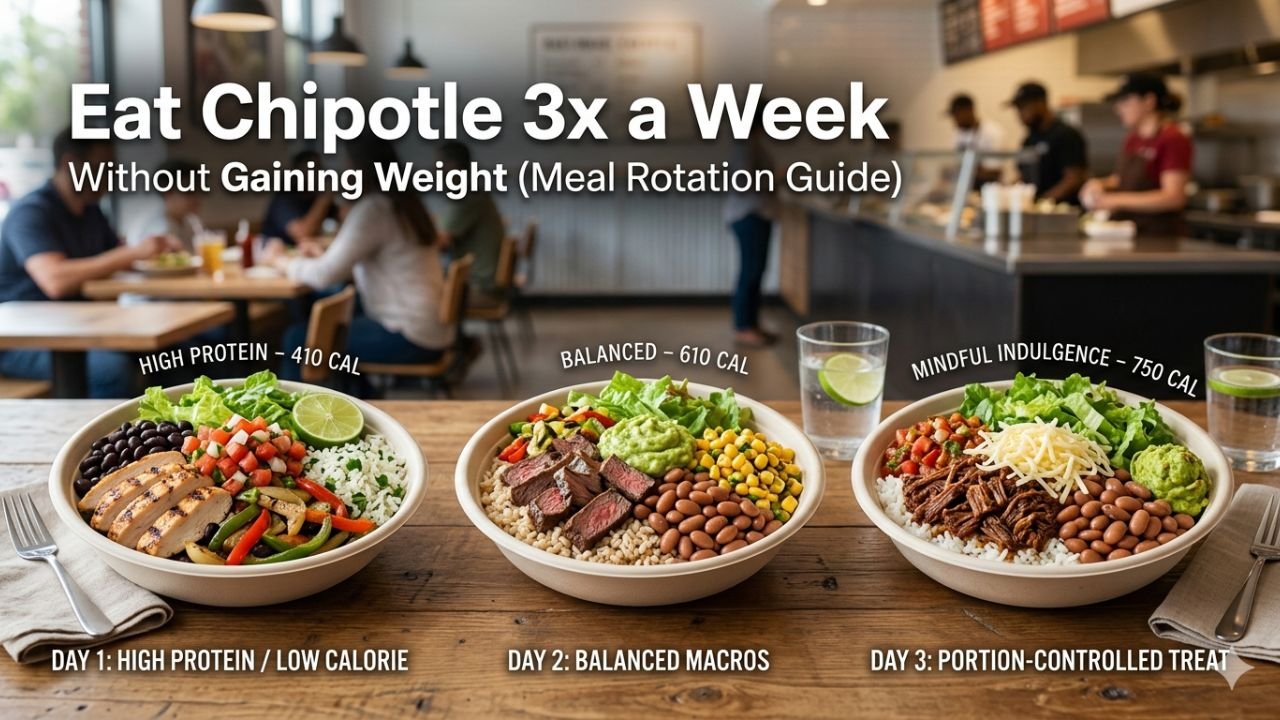
But here’s the thing: Chipotle meals can be surprisingly high in calories, sodium, and fat, depending on what you order. A burrito bowl with chicken, rice, black beans, cheese, sour cream, and guacamole? You’re looking at roughly 1,000–1,200 calories. That’s a full day’s worth of food in one sitting for some people.
What a typical Chipotle bowl looks like nutritionally
|
Item |
Calories |
Protein |
Sodium |
Fat |
|
Chicken burrito bowl (standard) |
~730 kcal |
~51g |
~1,900mg |
~22g |
|
+ Guacamole |
+230 kcal |
+2g |
+270mg |
+22g |
|
+ Sour cream + cheese |
+190 kcal |
+7g |
+260mg |
+16gFully |
|
I loaded the bowl |
~1,150 kcal |
~60g |
~2,430mg |
~60g |
The sodium is the real concern here. The recommended daily limit is 2,300mg, and one loaded Chipotle bowl can hit that ceiling in a single meal.
On the positive side? The protein content is genuinely impressive. If you’re a college student trying to stay full between classes, a Chipotle bowl with chicken or steak gives you solid, sustained energy. And if you build it smart, brown rice, beans, salsa instead of sour cream, it can actually be a pretty balanced meal.
Now, What About Your College Dining Hall?
Dining hall nutrition is… complicated. And that’s putting it politely.
The quality varies massively depending on your school. Some universities have invested heavily in fresh food programs, on-campus farms, and registered dietitians who help design the menus. Others are still serving steam-table pasta and mystery meat five days a week.
So instead of a universal answer, let’s look at what most dining halls have in common and where they tend to fall short.
Chipotle
- Consistent nationwide
- Fully transparent nutrition info
- High protein options
- Customizable easily
- High sodium risk
- Limited vegetable variety
Dining Hall
- Varies by campus
- Often lacks clear labels
- More food variety
- Included in meal plan
- Risk of overeating
- Salad bar = hidden gem
The hidden danger of the dining hall
It’s the buffet effect. When everything is available, and you’ve already paid for it, portion control goes out the window. Most students don’t count calories; they just fill their tray. A typical dining hall dinner can easily run 900–1,400 calories if you’re loading up on multiple plates, dessert, and a full glass of juice.
Plus, dining hall food is often made in bulk with salt, oil, and butter as flavor shortcuts. That means even the “healthy” options like soup or pasta can be sodium-heavy without you realizing it.
The Key Differences: A Closer Look
1. Transparency
Chipotle wins this round, hands down. Their full nutrition info is available on the app, website, and in-store. You can build your bowl virtually before you order it and see exactly what you’re eating.
Most dining halls? Not so much. Even if they post calorie counts, the actual macros, protein, fat, and fiber are often missing. You’re guessing.
2. Protein quality
Chipotle uses whole cuts of grilled meat: chicken, steak, carnitas, and barbacoa. These are solid, complete proteins that your body uses efficiently.
Dining halls might serve processed chicken nuggets, deli-sliced meat, or protein mixed into casseroles. The protein is still there, but it’s often lower quality and harder to track.
3. Vegetables and fiber
This is where your dining hall can actually shine if you use the salad bar. A good salad bar gives you spinach, broccoli, chickpeas, shredded carrots, and more. That’s real fiber and micronutrients.
Chipotle’s menu honestly lacks.
A Chipotle bowl with fajita veggies, lettuce, and salsa gives you some produce, but it’s not the same as building a full salad or loading up on roasted vegetables at a dining station.
4. Sodium
Both are high. That’s the truth. Restaurant food and institutional food are both heavy on sodium. If you’re eating Chipotle or the dining hall every day, you’re probably exceeding the daily sodium recommendation regularly. Watch this
5. Cost and access
If you have a meal plan, the dining hall is essentially free at the point of service. Chipotle costs $10–$15 per visit. For students on tight budgets, that math adds up fast. Nutrition decisions aren’t made in a vacuum;m cost is a real factor.
Practical Tips: How to Eat Better at Both
At Chipotle
- Skip the tortilla, go for a bowl to cut 300+ calories
- Choose brown rice for more fiber
- Pick salsa or pico instead of sour cream
- Guacamole is healthy, so keep it if you skip the cheese
- Use the nutrition calculator on the app before you order
- Double the veggie, as it’s free to add fajita vegetables
At the Dining Hall
- Start with the salad bar before filling your tray
- Use a smaller plate to naturally limit portions
- Choose grilled over fried whenever possible
- Load up on legumes and whole grains when available
- Avoid going back for seconds out of habit, not hunger
- Drinking water instead of juice or soda saves hundreds of calories
Which One Is Actually Better for You?
Here’s the real answer: it depends on how you build your meal.
A smartly built Chipotle bowl with chicken, brown rice, black beans, fajita veggies, salsa, and lettuce is genuinely one of the better fast-food meals you can find. High protein, decent fiber, moderate calories, and you know exactly what’s in it.
A well-navigated dining hall meal, lean protein, big salad, water, and fruit for dessert can be equally nutritious and come with more variety and zero extra cost.
The problem isn’t where you’re eating. It’s how. The loaded burrito and the triple-plate dining hall dinner are both nutritional disasters. The lean bowl and the balanced dining hall plate are both solid choices.
Your goal as a college student shouldn’t be perfection;t should be awareness. Know what you’re putting in your body, make small adjustments, and don’t stress about every meal. Progress over perfection, always.
Frequently Asked Questions
Is Chipotle actually healthy?
It can be, yes. Chipotle uses fresh, whole ingredients and gives you full control over what goes in your meal. The key is building it wisely, focusing on lean protein, skipping extra toppings like sour cream, and watching the sodium. A well-built bowl can be a genuinely balanced meal.
Why is dining hall food often unhealthy?
Dining halls cook in bulk, which often means heavy use of salt, butter, and oil for flavor. Portion sizes are generous, and the buffet-style setup makes it easy to overeat. That said, most dining halls have healthier options; you just need to know where to look (salad bar, grilled proteins, whole grains).
How much sodium should a college student eat per day?
The general recommendation is under 2,300mg of sodium per day for healthy adults. A loaded Chipotle bowl or a salty dining hall meal can easily hit that number in one sitting. Try to balance high-sodium meals with lower-sodium choices throughout the day.
What’s the highest-protein option at Chipotle?
Steak or chicken with double protein gives you roughly 50–65g of protein in one bowl. Pair it with black beans for extra plant protein. If you’re trying to hit your protein goals on a busy day, a Chipotle bowl is actually a strong choice.
Can I lose weight by eating Chipotle or dining hall food daily?
Yes, but it requires being intentional. Weight management is about overall caloric intake and food quality. Both Chipotle and dining halls offer options that fit into a caloric deficit; you just need to make smart choices, track portions, and stay consistent. Neither one is a magic solution or automatic problem.
Conclusion
At the end of the day, Chipotle and your dining hall are more similar than you’d think. Both can be great, and both can wreck your nutrition goals depending on how you approach them.
Chipotle gives you transparency and consistency. Your dining hall gives you variety and convenience. The best college diet isn’t about picking one over the other; it’s about learning to navigate both with a little awareness.
Start with protein, add vegetables, drink water, and don’t stress the small stuff. That’s honestly 80% of eating well in college. The rest? You’ll figure it out.