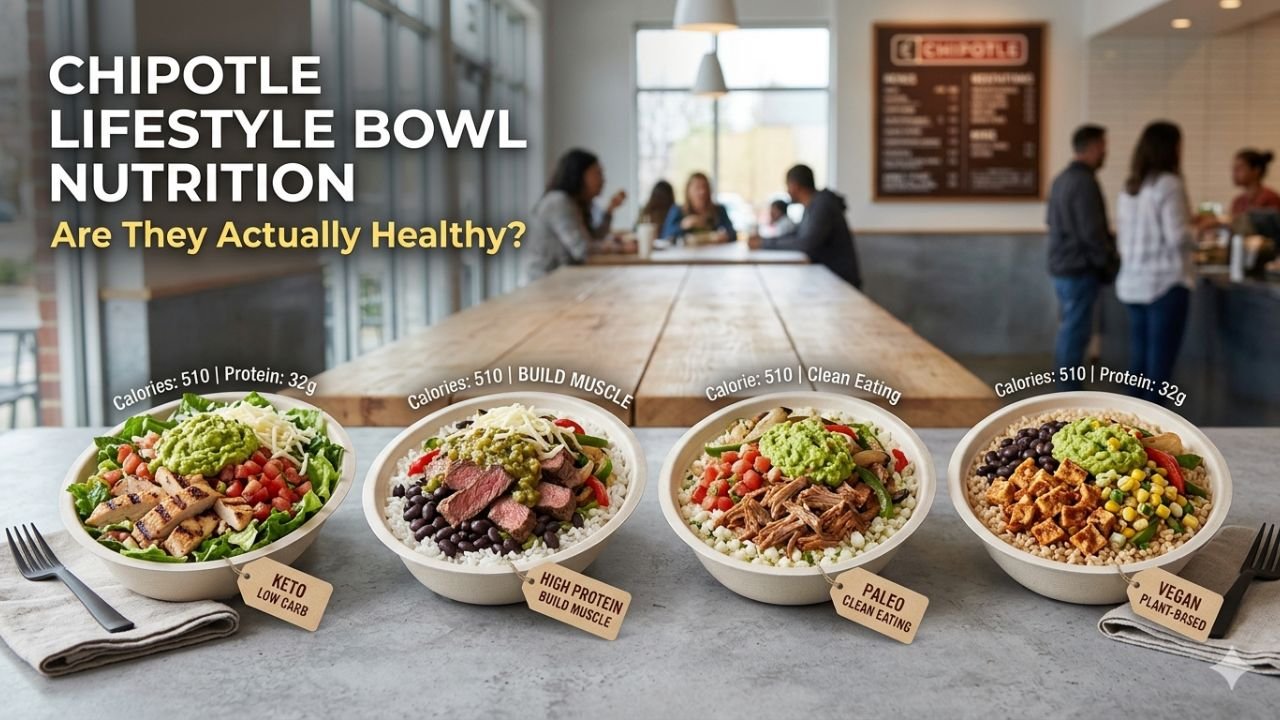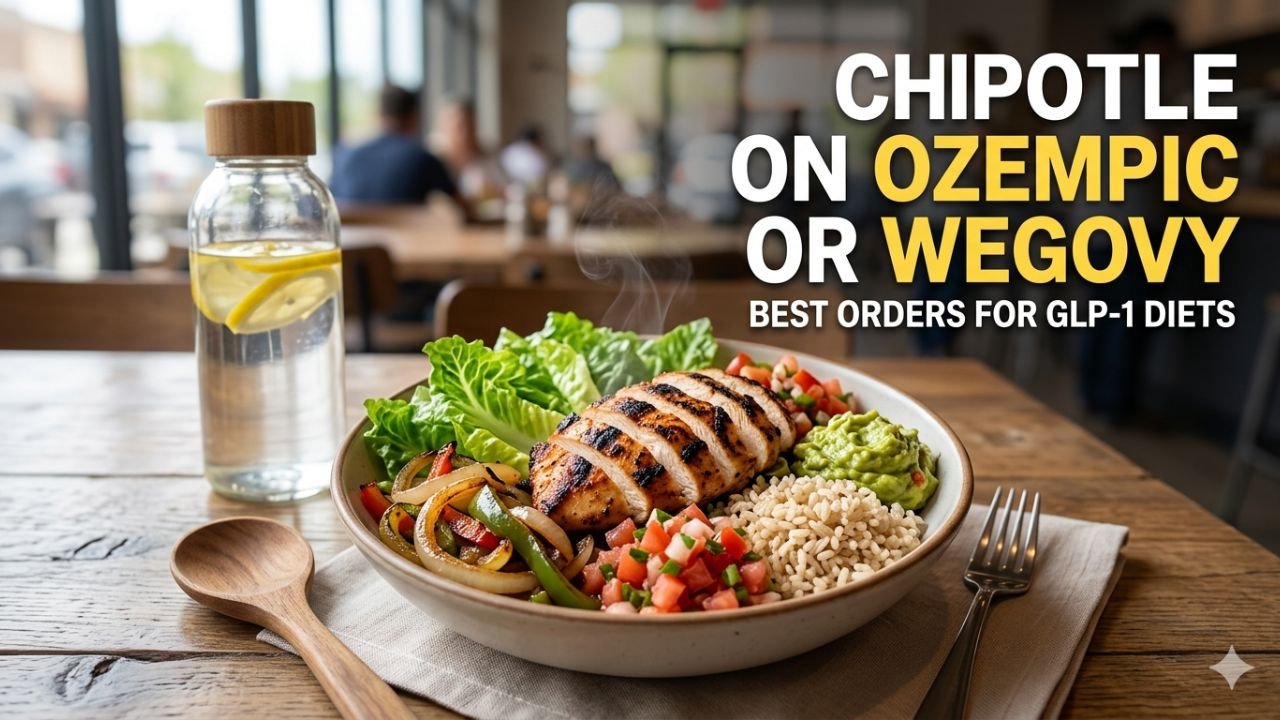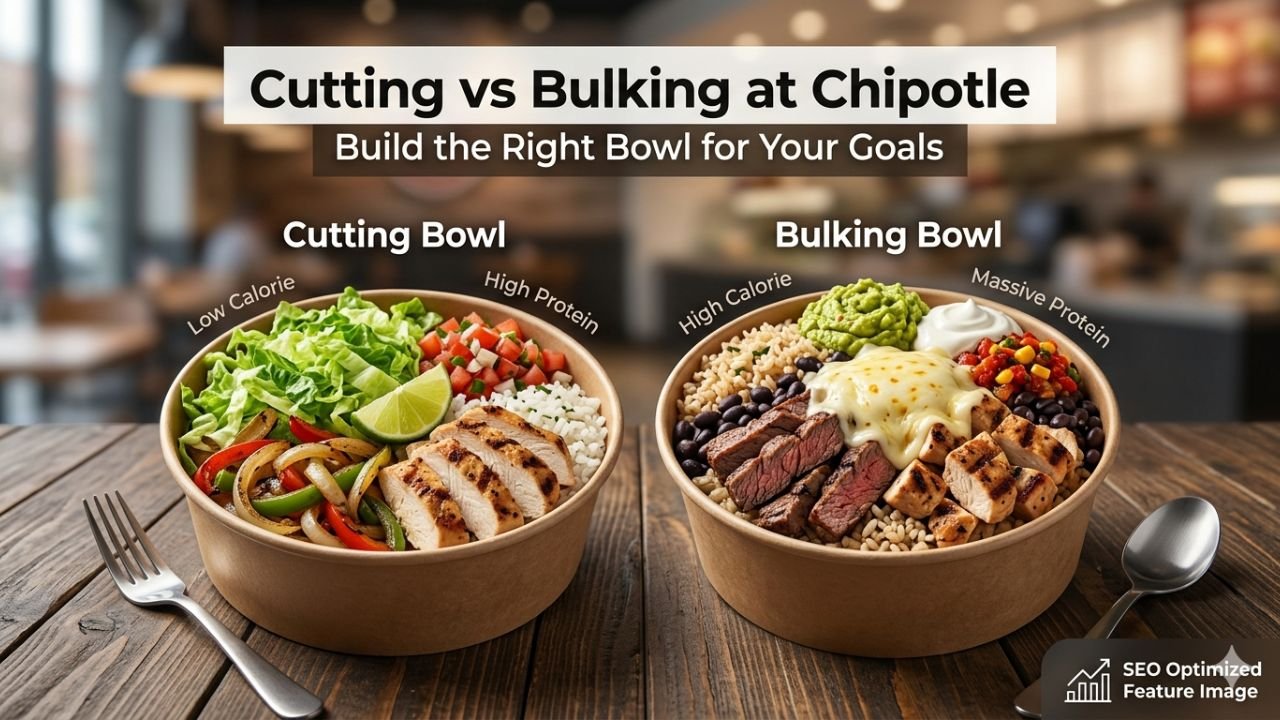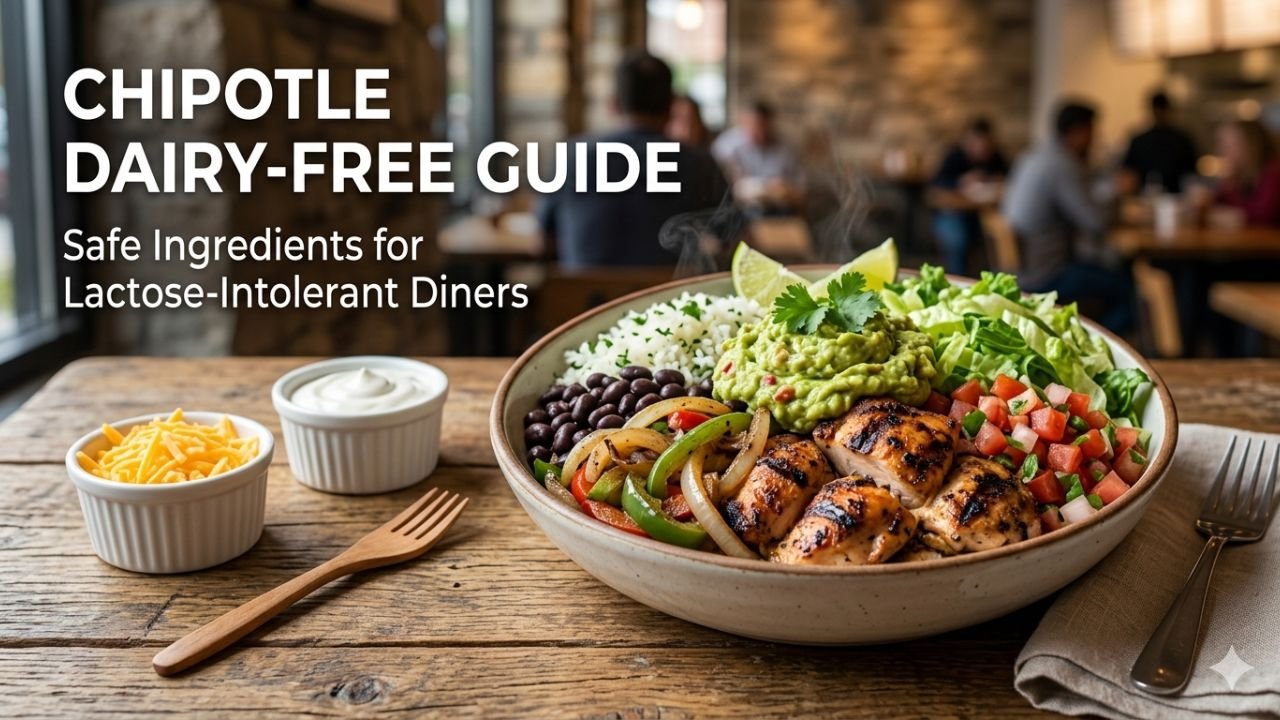
You’re standing at the Chipotle counter, burrito bowl in hand, and the employee asks: “Which salsa?” You point to your favorite without even thinking twice. But deep down, a tiny voice whispers… is this one actually worse for me than the others?
If that sounds familiar, you’re not alone. Millions of people eat at Chipotle every single week, and salsa is one of those toppings that feels totally harmless; it’s just vegetables and spices, right? Well, sort of. The truth is a little more nuanced, and if you’re keeping an eye on your calories, sodium, or overall nutrition, knowing the difference between Chipotle’s salsas can actually make a meaningful difference in your diet.
So let’s dig into the real numbers, compare each salsa honestly, and help you figure out which one fits your lifestyle best. No boring nutrition charts. No confusing jargon. Just a real, friendly breakdown like a conversation with a friend who actually read the label.
What Salsas Does Chipotle Actually Offer?
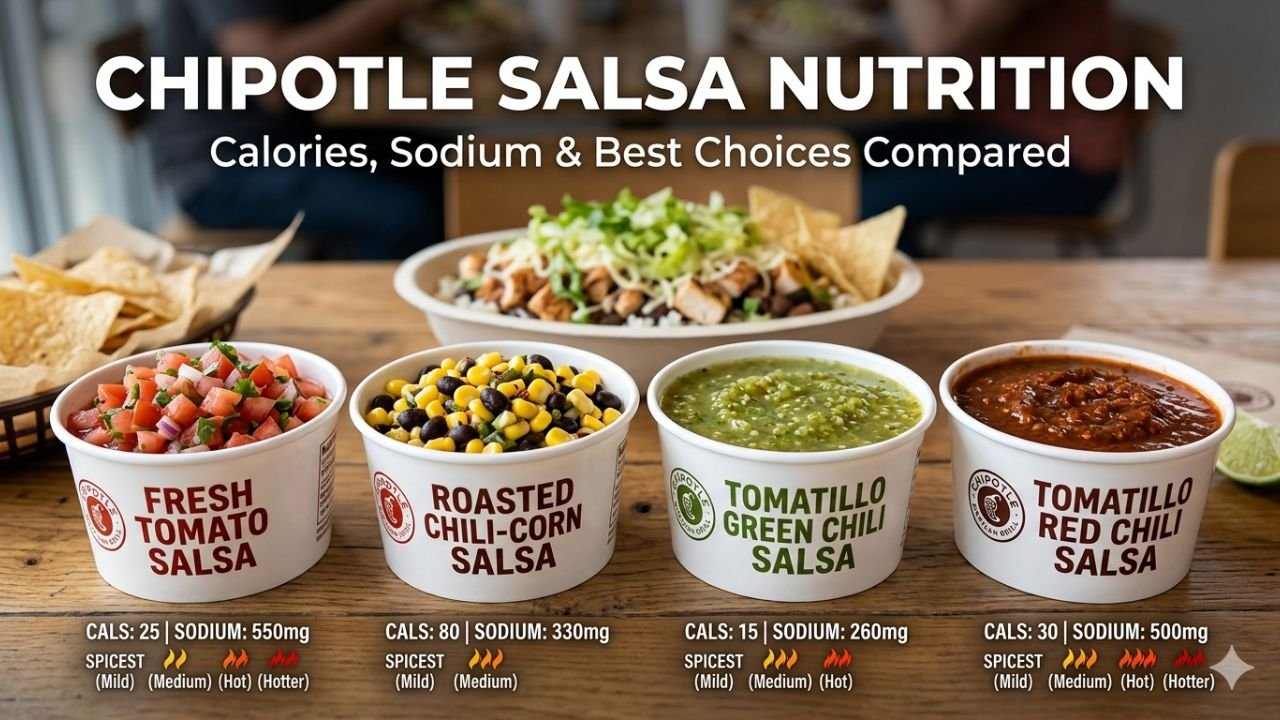
Before we get into the numbers, let’s quickly list what’s on the menu. As of now, Chipotle offers five main salsa options:
- Fresh Tomato Salsa (Mild), also called Pico de Gallo
- Roasted Chili-Corn Salsa (Medium) the fan favorite
- Tomatillo-Green Chili Salsa (Medium) tangy and bright
- Tomatillo-Red Chili Salsa (Hot), smoky and bold
- Fresh Tomato Salsa (Hot), straightforward and classic
Each one has a different flavor profile, ingredient list, and yes, a different nutritional impact. Some are surprisingly low in calories. Others pack a sodium punch that might catch you off guard.
Let’s break them down one by one.
Chipotle Salsa Nutrition Breakdown: The Real Numbers
1. Fresh Tomato Salsa (Pico de Gallo) The Mild One
This is the classic. Diced tomatoes, onions, cilantro, lime juice, and a little salt. It’s simple, fresh, and honestly one of the cleanest options on the menu.
Nutrition per serving (3.5 oz / ~100g):
- Calories: ~25
- Total Fat: 0g
- Sodium: ~410mg
- Carbohydrates: 4g
- Protein: 1g
Here’s the thing: this salsa is incredibly low in calories. If you’re watching your weight or just trying to eat a little lighter, pico de gallo is your best friend. The ingredients are basically whole vegetables, which means you’re getting a little fiber, some vitamin C, and antioxidants without piling on extra calories.
The sodium is moderate. About 410mg per serving might sound like a lot, but keep in mind the American Heart Association recommends no more than 2,300mg per day, so this salsa alone isn’t going to blow your budget.
Best for: Calorie-conscious eaters, people who prefer simple flavors, and those who love fresh, vibrant taste.
2. Roasted Chili-Corn Salsa The Popular Medium One
Oh, this one. The roasted chili-corn salsa is the crowd-pleaser. People go crazy for it, and honestly, it’s delicious. Roasted corn, poblano peppers, red onion, jalapeño, and cilantro all come together in this sweet-smoky mix.
But here’s the nutrition reality check:
Nutrition per serving (~4 oz):
- Calories: ~80
- Total Fat: 1.5g
- Sodium: ~150mg
- Carbohydrates: 15g
- Sugar: 4g
- Protein: 2g
Wait, 80 calories? For salsa? Yes, but before you panic, understand why. Corn is a starchy vegetable. It’s not a bad food at all, but it does bring more carbohydrates and calories to the table compared to the other salsas. The sugar content (mostly natural from the corn) is also the highest of all Chipotle salsas.
Here’s the silver lining, though the sodium is actually the lowest of all the salsas. Only about 150mg per serving. If you’re sensitive to salt or watching your heart health, corn salsa is the friendliest option in that department.
Best for: People watching sodium intake, those who love sweeter flavors, and folks who don’t mind a few extra carbs.
3. Tomatillo-Green Chili Salsa The Tangy Medium One
This salsa has a loyal following. It’s made with tomatillos (which look like green tomatoes), green chilies, cilantro, onion, and lime. The flavor is zingy, a little tart, and has just the right kick.
Nutrition per serving (~2 oz):
- Calories: ~15
- Total Fat: 0g
- Sodium: ~230mg
- Carbohydrates: 3g
- Protein: 0g
This one is a nutritional overachiever. Barely any calories, very low fat, and a reasonable sodium count. The tomatillos bring natural tartness without added sugar, and the green chilies add flavor without the calorie cost.
If you’re someone who tracks macros or follows a low-calorie diet, this salsa deserves way more attention than it usually gets. It’s honestly one of the best choices you can make from a pure nutrition standpoint.
Best for: Low-calorie dieters, people who love tangy, bold flavor, and anyone on a low-fat meal plan.
4. Tomatillo-Red Chili Salsa The Hot One
Now we’re getting into spicy territory. The red chili salsa is made with dried red chilies, tomatillos, and aromatics. It’s deep, smoky, and has a slow-building heat that sneaks up on you.
Nutrition per serving (~2 oz):
- Calories: ~25
- Total Fat: 0g
- Sodium: ~500mg
- Carbohydrates: 4g
- Protein: 1g
Here it is, the sodium winner (or loser, depending on how you look at it). The red salsa carries the highest sodium content of all Chipotle salsas, sitting at around 500mg per serving. That’s not extreme, but if you’re already eating a burrito loaded with cheese, sour cream, and seasoned meat, it adds up fast.
The calorie count is still very low at 25 calories, which is great. The fat content is basically zero. So if sodium isn’t a concern for you, this is still a perfectly reasonable choice. Just be mindful if you’re piling it on in large quantities.
Best for: Spice lovers, people who don’t need to restrict sodium, and those who love deep, complex flavor.
Side-by-Side Comparison: Which Salsa Has the Most Calories?
Let’s put it all together in a simple comparison:
|
Salsa |
Calories |
Sodium |
Fat |
Carbs |
|
Pico de Gallo (Mild) |
25 |
410mg |
0g |
4g |
|
Corn Salsa (Medium) |
80 |
150mg |
1.5g |
15g |
|
Green Chili Salsa (Medium) |
15 |
230mg |
0g |
3g |
|
Red Chili Salsa (Hot) |
25 |
500mg |
0g |
4g |
Most calories: Corn Salsa (80 cal), Least calories: Green Chili Salsa (15 cal) Most sodium: Red Chili Salsa (500mg) Least sodium: Corn Salsa (150mg)
See how it flips? The one with the most calories has the least sodium, and the one with the fewest calories in the top group has the most sodium. Nutrition is rarely simple, which is exactly why it’s worth paying attention to.
Practical Tips for Choosing Your Chipotle Salsa Wisely
Now that you know the numbers, here’s how to actually use this information in real life:
If you’re counting calories:
Go with the tomatillo-green chili salsa. At just 15 calories per serving, you can be generous with it and still stay on track. It adds a ton of flavor without the caloric cost.
If you’re watching your sodium:
Choose the corn salsa. Yes, it has more calories from the corn, but it has the lowest sodium of the bunch — only 150mg. For someone on a heart-healthy or low-sodium diet, this matters.
If you’re eating low-carb or keto:
Avoid the corn salsa and stick with pico de gallo or green chili salsa. Corn is starchy, and 15g of carbs from salsa alone adds up if you’re on a strict keto plan.
If you just want the healthiest overall option:
Tomatillo-green chili salsa wins across the board. Low calories, low fat, moderate sodium, and packed with flavor. It’s the underdog of Chipotle’s salsas and honestly deserves more love.
Watch your serving size:
Chipotle is famously generous with portions. When they ladle on that salsa, it might be more than the standard serving size listed on the nutrition chart. Keep that in mind if you’re being precise about tracking.
How Salsa Fits Into Your Bigger Chipotle Meal
Here’s something people often forget: salsa is just one piece of the puzzle. A typical Chipotle burrito bowl can range from 500 to 1,000+ calories, depending on your protein, rice, beans, cheese, sour cream, and guacamole choices.
Compared to things like:
- Cheese: 110 calories, 180mg sodium
- Sour cream: 120 calories, 30mg sodium
- Guacamole: 230 calories, 370mg sodium
Salsa is genuinely one of the lowest-calorie toppings you can add. Even the corn salsa at 80 calories is still less than sour cream. So if you love guac and cheese, don’t stress too much about the salsa; you’ve got bigger fish to fry (literally).
That said, if you’re building a lighter bowl, lean protein, lettuce, fajita veggies, and salsa, then the specific salsa you choose starts to matter a lot more.
Frequently Asked Questions
Is Chipotle salsa healthy?
Yes, for the most part. The majority of Chipotle’s salsas are made from whole vegetables, herbs, and spices with no artificial preservatives or added sugars (except the natural sugar in corn). They’re low in fat and calories, making them a much healthier topping choice compared to cheese, sour cream, or queso.
Which Chipotle salsa has the fewest calories?
The tomatillo-green chili salsa has the fewest calories, approximately 15 calories per serving. It’s also low in fat and has a moderate sodium level, making it the top pick for calorie-conscious eaters.
Can I eat Chipotle salsa on a keto diet?
The corn salsa is not keto-friendly due to its high carb content (around 15g per serving). However, pico de gallo, green chili salsa, and red chili salsa are all low in carbs and can fit into a keto eating plan without any major issues.
Which Chipotle salsa has the most sodium?
The tomatillo-red chili salsa has the highest sodium at approximately 500mg per serving. If you’re managing blood pressure or following a low-sodium diet, it’s worth being mindful of how much red salsa you’re adding, especially on top of an already sodium-heavy meal.
Is there added sugar in Chipotle salsa?
The only salsa with notable sugar content is the roasted chili-corn salsa, which contains about 4g of sugar per serving, all natural, coming from the corn itself. The other salsas have minimal to no sugar.
Conclusion
Here’s the bottom line: Chipotle salsa is not the enemy. In fact, compared to most fast-casual toppings, it’s one of the smartest choices you can make. Fresh ingredients, minimal processing, low calories, and tons of flavor.
But now you know the details, and that knowledge is genuinely useful. Whether you’re trying to eat lighter, cut sodium, stay in ketosis, or just make more informed choices, understanding what’s in your food is always a win.
- Calorie-wise? Go green chili.
- Sodium-wise? Go corn salsa.
- Low carb? Skip the corn, stick to pico or green chili.
- Just want flavor without overthinking? All of them are honestly fine.
The next time you’re at that counter and they ask “which salsa?” you’ll know exactly what to say, and why. That’s what real, confident eating looks like.
Now go enjoy your bowl. You’ve earned it.