Let me be honest with you. I used to think eating fast food more than once a week was basically signing up for weight gain. Then a friend of mine, a personal trainer, of all people, told me she eats Chipotle three times a week and has done so for over a year. I almost choked on my salad.
But here’s the thing: she’s not doing anything magical. She’s just being smart about what she orders, how she rotates her meals, and how she fits it into her overall day. And once she broke it down for me, I realized this is actually totally doable for regular people, too.
If you love Chipotle but you’ve been avoiding it because you’re worried about calories, weight, or “eating healthy,” this guide is for you. We’re going to talk about how to eat Chipotle three times a week without gaining weight, using a simple meal rotation strategy that keeps things fresh, balanced, and satisfying.
Let’s get into it.
Why Chipotle Is Actually Not as Bad as You Think
First, let’s clear something up. Chipotle gets a bad reputation because some of its meals can hit 1,000+ calories. And yes, if you order a fully loaded burrito with extra everything every single time, you might run into trouble.
But here’s what most people don’t realize: Chipotle is one of the most customizable fast food chains out there. You are in complete control of what goes into your bowl, burrito, or tacos. That’s actually a huge advantage when you’re trying to eat healthy.
Chipotle uses real, whole ingredients. No artificial preservatives, no crazy additives. Their chicken, steak, and veggies are cooked fresh. Their rice, beans, and salsas are made without a lot of junk. Compared to most fast food chains, Chipotle actually looks pretty solid nutritionally.
The key is knowing how to build your meal. That’s exactly what this guide teaches you.
Understanding the Calories Before You Order
Before we jump into the meal rotation, you need to have a basic understanding of the calorie ranges at Chipotle. Don’t worry, this isn’t math class. Just a quick overview.
Here’s a rough calorie breakdown of common Chipotle components:
- Burrito tortilla: around 320 calories
- Burrito bowl base (no tortilla): 0 calories
- White or brown rice: around 210 calories per serving
- Black or pinto beans: around 130 calories per serving
- Chicken: around 180 calories per serving
- Steak: around 150 calories per serving
- Sofritas (tofu): around 150 calories per serving
- Fajita veggies: around 20 calories
- Fresh tomato salsa: around 25 calories
- Corn salsa: around 80 calories
- Cheese: around 110 calories per serving
- Sour cream: around 120 calories per serving
- Guacamole: around 230 calories per serving
- Lettuce: about 5 calories
So you can see the tortilla, cheese, sour cream, and guac are where a lot of calories pile up. If you’re ordering all of these every time, your “healthy” Chipotle bowl turns into a 1,100-calorie meal without you even realizing it.
The good news? You can still eat delicious, filling Chipotle meals in the 450 to 700 calorie range. That’s perfectly reasonable for lunch or dinner.
The Chipotle Meal Rotation Guide (3x a Week)
This is the core of what you came here for. The idea behind a meal rotation is simple: don’t order the same thing every time. Rotate between different options so you get a variety of nutrients, keep your calorie count balanced, and honestly, just keep it interesting.
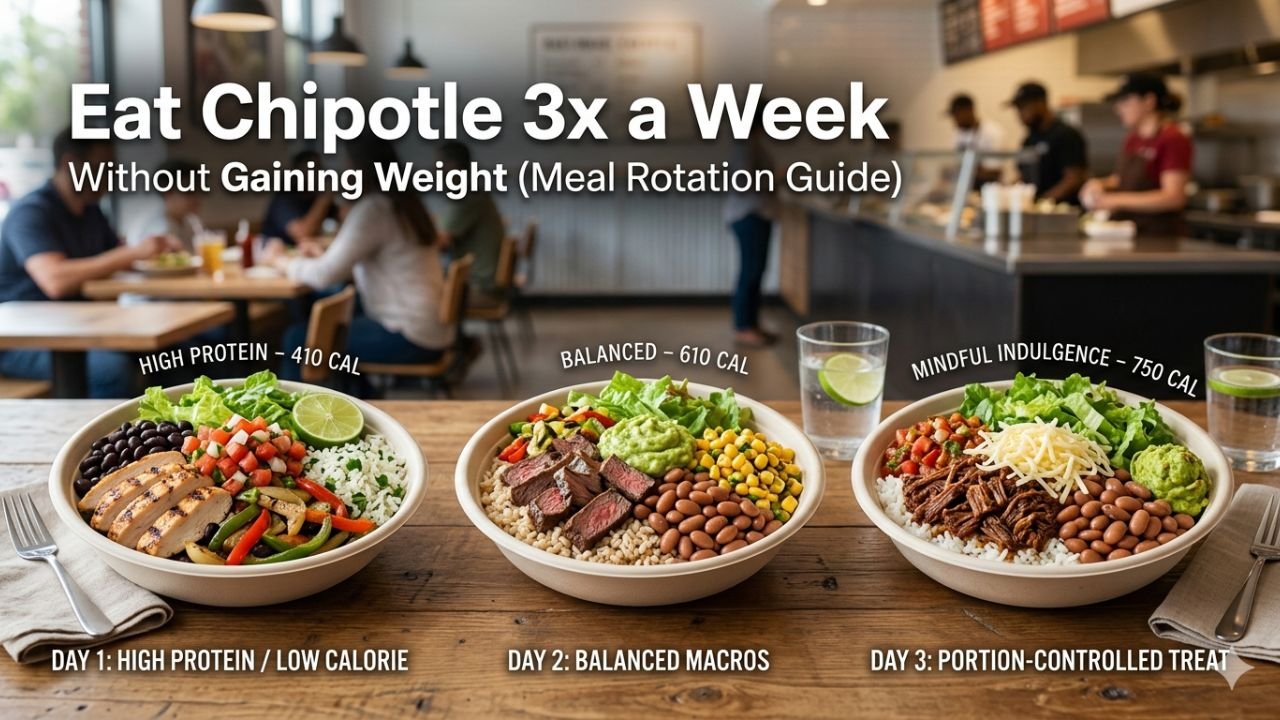
Here’s a realistic three-day rotation that actually works.
Day 1: The Light and Fresh Bowl
This is your go-to when you want something light but satisfying. Think of this as your “reset” meal.
What to order:
- Burrito bowl (no tortilla)
- No rice (skip it today)
- Black beans
- Double chicken or steak
- Fajita veggies
- Fresh tomato salsa
- Lettuce
Why this works: By skipping the tortilla and rice, you cut out a big chunk of carbs and calories. The double protein keeps you full for hours. The veggies and salsa add flavor without adding much at all calorie-wise. This meal comes in around 450 to 500 calories, totally lean and clean.
Pro tip: Ask for extra fajita veggies. They’re almost calorie-free, and they make your bowl look massive, which is psychologically satisfying.
Day 2: The Balanced Protein Bowl
This one has a little more substance. It’s your middle-of-the-week fuel-up, especially great if you’re active or have had a long day.
What to order:
- Burrito bowl
- Brown rice (half serving if possible, or ask for a light portion)
- Black or pinto beans
- Chicken or sofritas
- Corn salsa
- Fresh tomato salsa
- A small scoop of guacamole (yes, guac is worth it here)
Why this works: Brown rice gives you slow-burning carbs for sustained energy. Beans add fiber and protein. Guacamole brings in healthy fats that keep you satisfied. This meal runs around 600 to 650 calories, which is a solid, balanced lunch or dinner.
Pro tip: Don’t get cheese AND sour cream AND guac all at once. Pick one or two. That’s where most people blow their calorie budget without thinking.
Day 3: The Taco Day (Yes, Tacos!)
Tacos get a bad reputation for being high-calorie, but at Chipotle, you can make them work really well. Plus, switching to tacos keeps your week from feeling repetitive.
What to order:
- Three soft flour tacos OR three crispy corn tacos (corn tacos are lower in calories)
- Steak or chicken
- Fresh tomato salsa
- Lettuce
- Fajita veggies
- Skip the cheese and sour cream
- Optional: a small amount of corn salsa for that smoky sweetness
Why this works: Three corn tacos with protein and veggies come in around 450 to 550 calories. Corn tortillas are smaller and lower in calories than flour ones. Splitting the protein across three tacos makes it feel like more food. It’s fun, filling, and totally manageable.
Pro tip: If you want cheese, ask for just a little on one taco, not all three. A small sprinkle goes a long way for flavor.
Smart Strategies to Make This Actually Work Long Term
Having a meal plan is great, but the real secret to eating Chipotle three times a week without gaining weight is building habits around it. Here are some strategies that actually help.
Watch What You Eat the Rest of the Day
If you’re eating Chipotle three times a week, the other meals that day matter a lot. You don’t need to eat like a monk, but being a little lighter on your other meals is smart.
For example, if you know you’re having Chipotle for lunch, have a lighter breakfast, something like eggs with fruit, or Greek yogurt with granola. For dinner that evening, keep it simple: a salad, a piece of fish, and some veggies. This way, your total daily calorie intake stays balanced even with a Chipotle meal in the mix.
Stay Hydrated and Skip the Sugary Drinks
This one is huge, and people overlook it all the time. Chipotle’s food is pretty salty. If you’re not drinking enough water, you’ll retain water weight and feel bloated. Always drink water with your Chipotle meal.
Also, skip the soda. A large fountain drink adds 200 to 300 empty calories and a ton of sugar. Stick with water, sparkling water, or unsweetened iced tea. It’s a small swap that makes a real difference over time.
Don’t Skip the Protein
One of the most common mistakes people make when trying to eat “lighter” at Chipotle is skimping on protein. They skip the meat or go with a tiny portion, and then they’re hungry again two hours later and end up snacking.
Don’t do this. Protein is your best friend for staying full. Chicken, steak, and sofritas are all reasonable options. If you want to go higher protein, ask for extra; the upcharge is worth it nutritionally.
Add Movement to Your Routine
This isn’t just about the food. If you’re eating Chipotle three times a week, adding some movement to your lifestyle helps your body process those nutrients and maintain your weight. You don’t need to run marathons. Even a 20 to 30-minute walk after a meal makes a difference in how your body handles the calories.
What to Absolutely Avoid (The “Weight Gain” Chipotle Order)
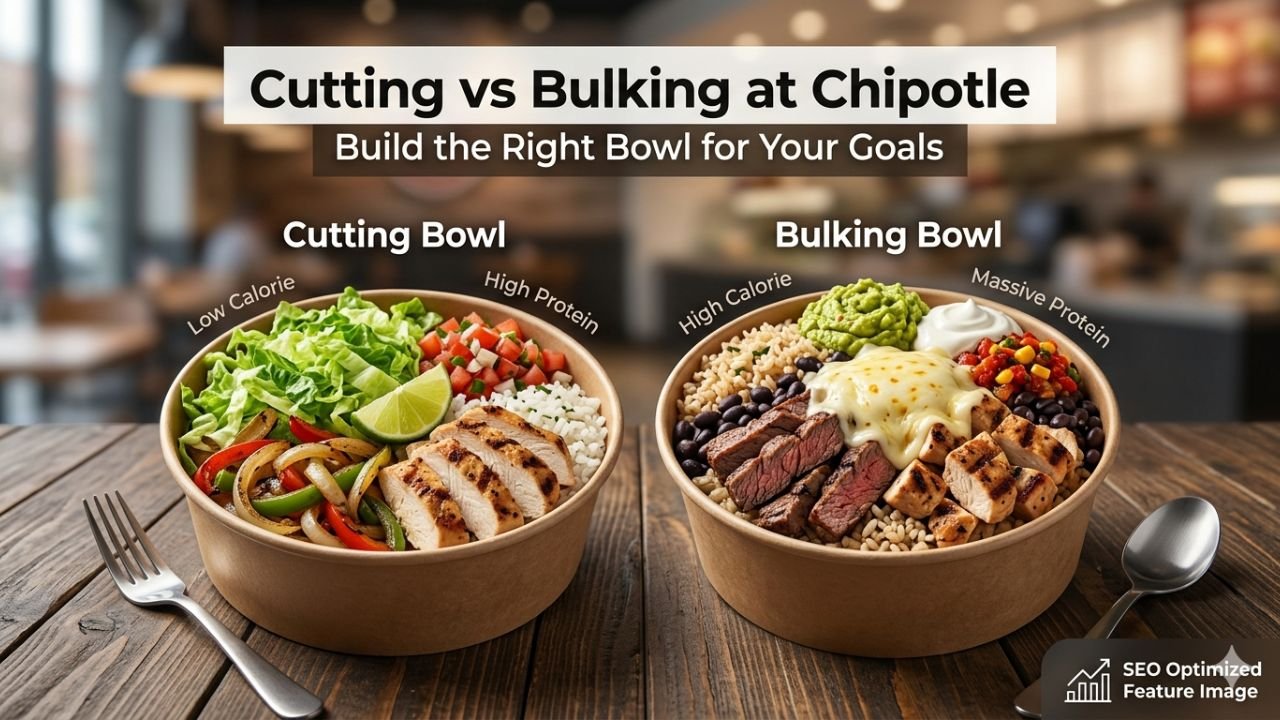
Just so you have a clear picture, here’s the order that tends to pile on the calories:
- Burrito (with flour tortilla)
- White rice
- Beans
- Double meat
- Cheese
- Sour cream
- Guacamole
- Corn salsa
This combo can easily hit 1,200 to 1,400 calories. That’s more than half of most people’s daily calorie needs in one meal. Have it once in a while? Totally fine. Have it three times a week? That’s where weight gain starts creeping in.
It’s not about guilt. It’s just about awareness.
The Emotional Side of Eating Chipotle (And Why It Matters)
Here’s something most nutrition guides won’t tell you: food is emotional. Chipotle isn’t just fuel, it’s comfort, it’s a lunch break with a friend, it’s a reward after a hard week.
When we try to be “healthy” and suddenly feel like we can’t enjoy our favorite foods, we often end up in a cycle of restriction and overindulging. This rotation guide is designed to break that cycle. You don’t have to choose between enjoying Chipotle and taking care of your body. You can do both.
The goal isn’t perfection. It’s consistency with flexibility. Some weeks you’ll follow the rotation perfectly. Other weeks, you’ll order the big burrito because you had a terrible day and you needed it. That’s completely okay. One meal doesn’t make or break your health journey.
Frequently Asked Questions
Is eating Chipotle three times a week really healthy?
It can be, yes. Chipotle uses real, whole food ingredients without artificial preservatives. As long as you’re making mindful choices and not overdoing the high-calorie add-ons, eating Chipotle three times a week fits into a balanced diet for most people.
What’s the lowest-calorie meal I can get at Chipotle?
A salad bowl with chicken, fajita veggies, fresh salsa, and lettuce, no rice, no beans, no cheese or sour cream, comes in under 400 calories. It’s surprisingly filling and one of the cleanest options on the menu.
Can I eat at Chipotle and still lose weight?
Absolutely. Weight loss comes down to being in a calorie deficit over time. If your Chipotle meals are in the 450 to 650 calorie range and your other meals are balanced, you can absolutely lose weight while enjoying Chipotle regularly.
Is the guacamole worth the extra calories?
From a nutrition standpoint, yes. Avocados are packed with healthy monounsaturated fats, fiber, and potassium. The 230 calories from guac are much more nutritionally valuable than 230 calories from cheese or sour cream. If you’re going to splurge on one topping, make it guac.
Should I choose brown rice or white rice at Chipotle?
Brown rice has slightly more fiber and nutrients than white rice, which makes it a better choice for long-term satiety and gut health. That said, the calorie difference is small. If you prefer white rice, that’s fine, just be mindful of your portion size.
Conclusion
Here’s the bottom line: eating Chipotle three times a week without gaining weight is not some kind of fitness myth. It’s a real, doable thing, and thousands of people are doing it right now without even realizing they have a strategy.
The secret isn’t willpower or perfect discipline. It’s just being a little intentional about what you order, rotating your meals so you’re not always going heavy, balancing your other meals around it, and drinking enough water.
You love Chipotle. You don’t have to stop loving it. You just have to be a little smarter about how you love it.
Try this three-day rotation for two weeks and see how you feel. You might be surprised to find that you can enjoy your favorite fast-casual restaurant regularly and still feel great, stay at your goal weight, and never feel deprived.
That’s not dieting. That’s just living well.