Have you ever stood at the Chipotle counter, staring at the menu board, wondering, “Is this actually healthy? How many calories am I eating?” You’re not alone. Millions of people love Chipotle for its fresh, bold flavors, but figuring out the nutrition side of things can feel confusing.
The good news? Chipotle is one of the most transparent fast-casual restaurants out there. Every ingredient has a calorie count. Every bowl can be customized. And once you understand the basics, eating smart at Chipotle becomes genuinely easy.
This guide breaks down the entire Chipotle nutrition menu in simple, plain language. No complicated charts. No diet jargon. Just clear, real information so you can enjoy your meal AND feel good about it.
Why Chipotle Nutrition Actually Matters
Here’s the truth: Chipotle meals can range from 400 to over 1,000+ calories, depending on how you build them. Small ingredient changes, like swapping rice for lettuce or skipping sour cream, can make a huge difference.
That’s a pretty wide range. And it means two people eating “a Chipotle bowl” could be eating very different meals nutritionally.
Chipotle shares complete nutrition information for all menu items, including burritos, bowls, tacos, salads, sides, and drinks. You can track calories, fat, protein, carbs, and sodium, or even use Chipotle’s official nutrition calculator to customize your order.
So whether you’re trying to lose weight, gain muscle, or just eat a little cleaner, knowing what’s in your food puts YOU in control.
The Full Chipotle Nutrition Menu (Simple Breakdown)
Let’s go through everything on the menu, one section at a time.
Main Meals: Calories at a Glance
Here’s a quick overview of the major menu items and their approximate nutrition values:
|
Menu Item |
Calories |
Protein |
Carbs |
Fat |
|
Chicken Burrito |
700–900 |
45g |
80g |
30g |
|
Steak Bowl |
550–750 |
40g |
60g |
25g |
|
Barbacoa Bowl |
600–800 |
42g |
65g |
28g |
|
Veggie Bowl |
480–650 |
15g |
70g |
18g |
|
Carnitas Burrito |
850–1,000 |
46g |
85g |
35g |
|
Chicken Tacos (3) |
450–600 |
32g |
50g |
18g |
|
Sofritas Bowl |
520–690 |
25g |
65g |
20g |
|
Salad (No Dressing) |
400–550 |
30g |
30g |
15g |
One thing to keep in mind these numbers shift based on your toppings. Add guac and cheese, and your calories go up. Go light on the rice and skip sour cream, and your meal gets leaner. That’s the beauty of Chipotle.
Protein Options: What’s in Your Meat?
The protein you pick is the foundation of your meal. Here’s how each one stacks up:
|
Ingredient |
Serving Size |
Calories |
Protein |
Carbs |
Fat |
|
Chicken |
4 oz |
180 |
32g |
0g |
7g |
|
Steak |
4 oz |
150 |
30g |
1g |
6g |
|
Barbacoa |
4 oz |
170 |
24g |
2g |
7g |
|
Sofritas |
4 oz |
150 |
14g |
9g |
10g |
The lowest-calorie protein option at Chipotle is steak, with only 150 calories per serving, followed closely by chicken at 180 calories.
If you’re focused on getting maximum protein with fewer calories, chicken and steak are your best bets. Barbacoa is great for flavor lovers. Sofritas is the go-to for vegetarians and vegans.
Rice, Beans, and Base Options
Your base carbs play a big role in the total calorie count. Here’s what you need to know:
|
Ingredient |
Serving Size |
Calories |
Protein |
Carbs |
Fat |
|
White Rice |
4 oz |
210 |
4g |
40g |
4g |
|
Brown Rice |
4 oz |
200 |
5g |
38g |
4g |
|
Black Beans |
4 oz |
130 |
9g |
22g |
2g |
|
Pinto Beans |
4 oz |
130 |
9g |
21g |
2g |
White rice and brown rice are almost identical in calories, but brown rice is a slightly healthier choice due to its higher fiber content and lower glycemic index.
Beans are actually a nutritional win, 130 calories for 9 grams of protein and a solid dose of fiber. They fill you up without loading up on fat.
Pro tip: If you’re cutting calories, skip rice entirely and use lettuce as your base. You’ll save close to 200 calories right there.
Toppings: The Hidden Calorie Bombs
This is where people get tripped up. Toppings seem small, but they add up fast. Here’s a clear breakdown:
|
Ingredient |
Serving Size |
Calories |
Protein |
Carbs |
Fat |
|
Guacamole |
4 oz |
230 |
3g |
8g |
22g |
|
Cheese |
1 oz |
110 |
6g |
1g |
9g |
|
Sour Cream |
2 oz |
120 |
2g |
3g |
10g |
Guacamole is the biggest one. At 230 calories, it’s not a “light” topping. But before you skip it completely, guac is packed with healthy fats from avocados. It’s good for your heart and keeps you full longer. Just be mindful of the portion.
Cheese and sour cream together can easily add 230 extra calories. If you’re watching your intake, ask for “a little” or pick one over the other.
Sides Chips, Queso & More
Sides are where a healthy Chipotle meal can go sideways. Here’s the truth:
|
Side Item |
Calories |
Protein |
Carbs |
Fat |
|
Chips & Guacamole |
770 |
8g |
75g |
45g |
|
Chips & Queso Blanco |
720 |
10g |
72g |
38g |
|
Chips & Salsa |
570 |
7g |
73g |
28g |
|
Large Queso Blanco |
360 |
15g |
10g |
28g |
Chips and guacamole alone are 770 calories. If you’re eating a bowl on the side, that’s potentially 1,300+ calories in one meal. It’s a treat, not a daily habit.
The smartest move? Split the chips with someone, or skip them and add extra veggies to your bowl instead.
Lifestyle Bowls Built for Your Diet
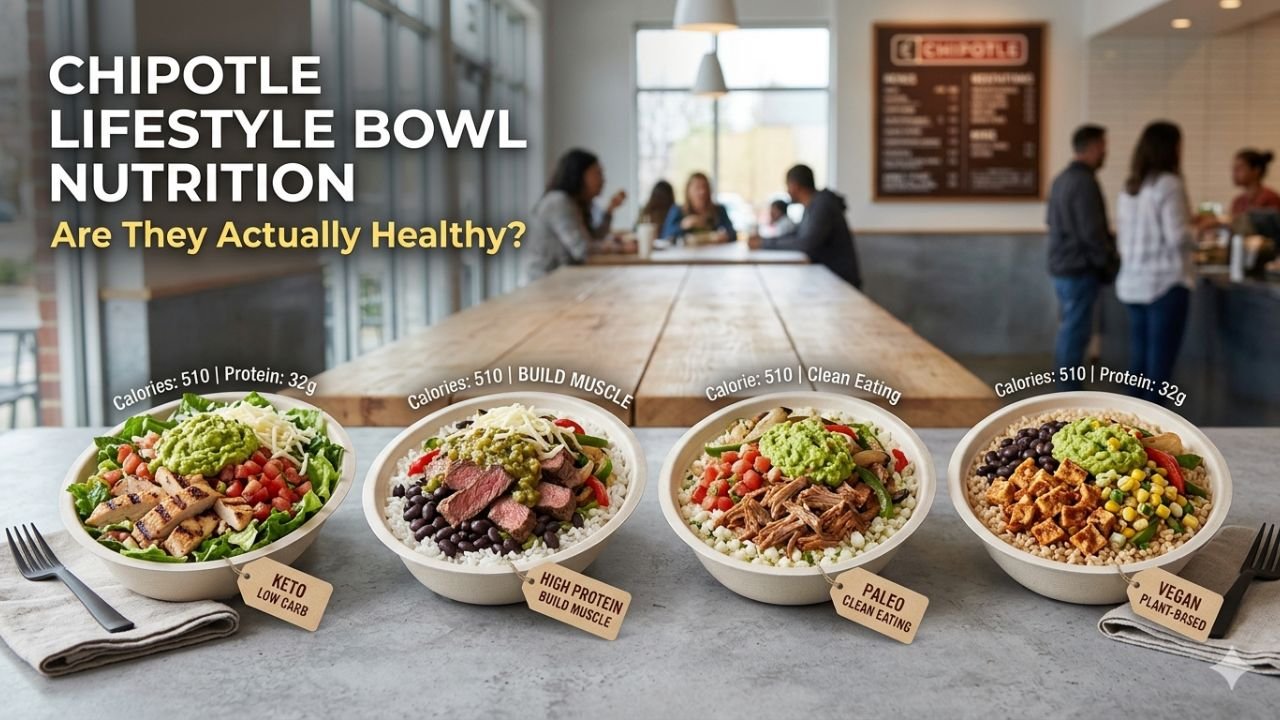
Chipotle’s new high-protein menu reflects a growing demand for meals that support fullness, muscle maintenance, and eating that fits modern health goals. The menu packages familiar Chipotle ingredients into ready-to-order options that emphasize protein and fiber.
Here’s how the lifestyle bowls break down nutritionally:
|
Lifestyle Bowl |
Calories |
Protein |
Carbs |
Fat |
|
Keto Bowl |
580 |
40g |
10g |
38g |
|
Paleo Bowl |
630 |
42g |
18g |
35g |
|
Vegan Bowl |
600 |
20g |
70g |
18g |
|
High Protein Bowl |
810 |
60g |
50g |
30g |
These are pre-built bowls designed for specific diets. If you’re not sure what to order, just pick the one that matches your goal. No overthinking needed.
Practical Tips for Eating Smart at Chipotle
Okay, so now you know the numbers. But knowing them is only half the battle. Here’s how to actually use this information when you’re standing in line:
- Start with your goal in mind. Are you cutting calories? Building muscle? Eating plant-based? Decide before you order. It makes every choice easier.
- Pick your protein first. Chicken and steak give you the most protein for the fewest calories. If you want even more protein, ask for double meat.
- Choose brown rice over white. Both white and brown rice, along with black and pinto beans, are good sources of carbohydrates and fiber. However, brown rice is a slightly healthier choice due to its higher fiber content.
- Load up on veggies. Fajita veggies are low in calories and add a lot of volume and flavor. They’re one of the best “free” upgrades at Chipotle.
- Be careful with sodium. To keep your meal heart-healthy: the best low-sodium proteins are chicken (310mg) or carnitas (450mg), and the lowest sodium toppings are guacamole, sour cream, and fajita veggies. High sodium warnings include the flour tortilla (600mg) and fresh tomato salsa (550mg).
- Skip the tortilla if you’re watching carbs. Skip the tortilla and save nearly 200 calories compared to a burrito. A bowl automatically makes your meal lighter.
Healthiest Chipotle Meal Combos
Let’s make this even more practical. Here are four ready-to-order combinations based on different goals:
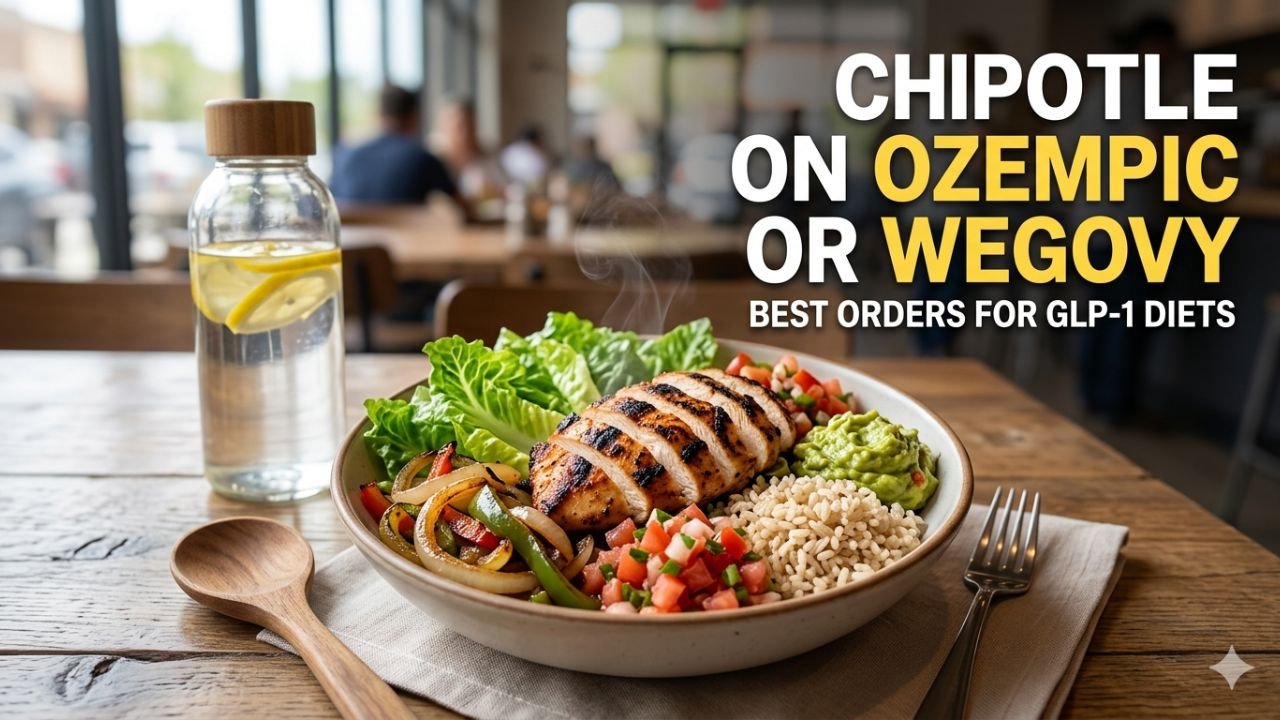
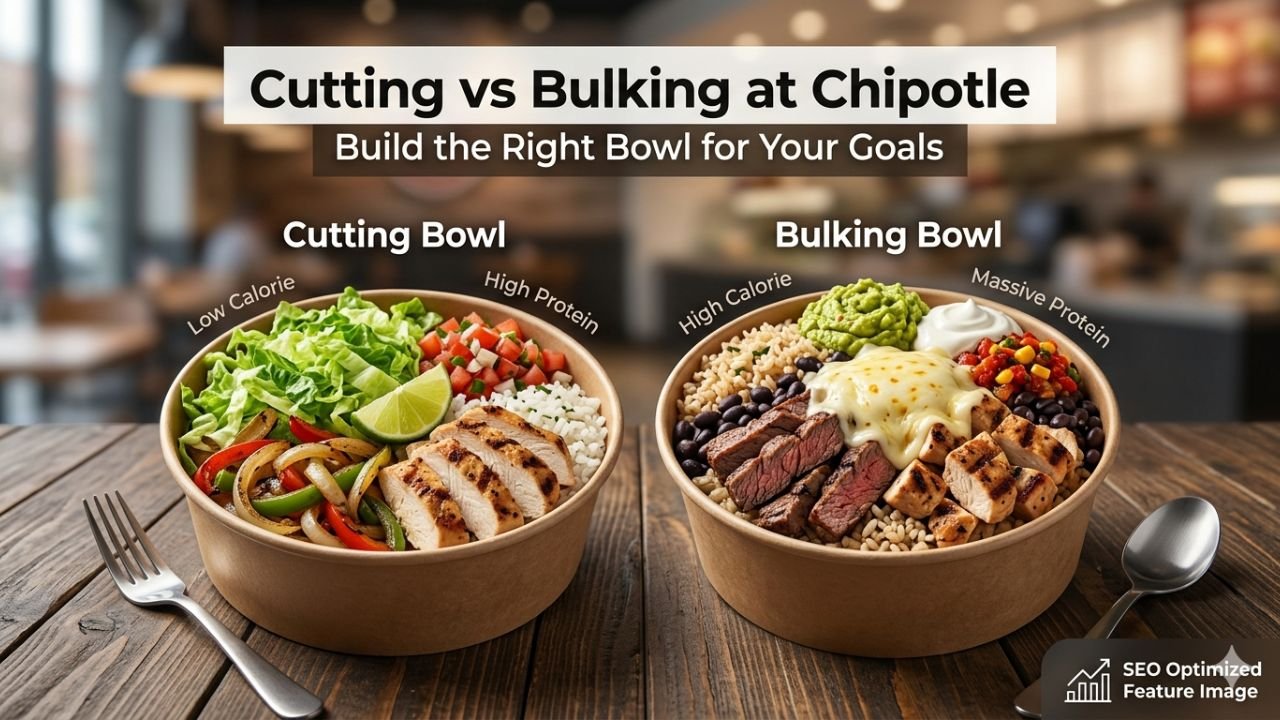
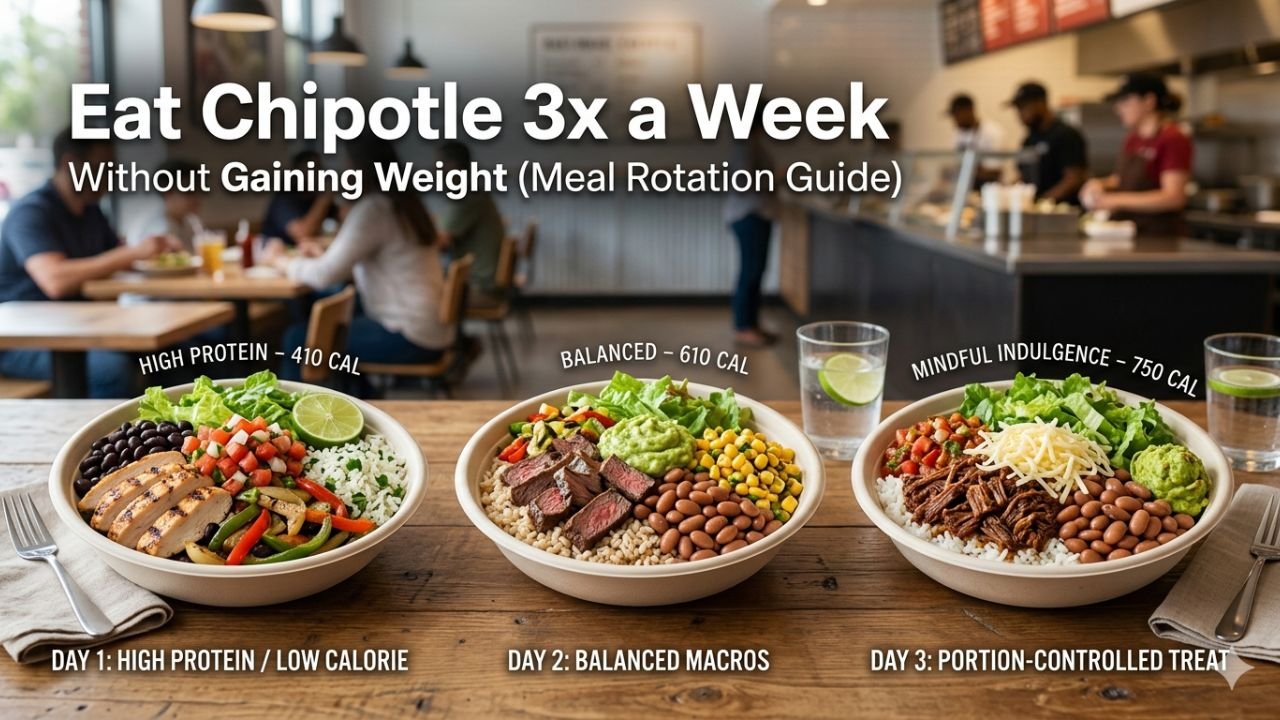
For Weight Loss: Chicken Bowl + Brown Rice + Black Beans + Tomato Salsa + Fajita Veggies. Around 520 calories, 38g protein, filling, balanced, and totally satisfying.
For Muscle Gain: Steak Bowl + Double Meat + Pinto Beans + Corn Salsa, around 720 calories, 55g protein, ideal post-workout fuel.
For Vegans: Sofritas Bowl + Brown Rice + Fajita Veggies + Guac + Salsa Around 650 calories, 20g protein, tasty and plant-powered.
For Low Carb/Keto: Salad Base + Chicken + Fajita Veggies + Guac + Cheese. For a low-carb meal, choose a salad with protein like chicken or steak, fajita veggies, fresh tomato salsa, and cheese. Skip rice, beans, and chips. Around 480 calories and under 25g of carbs.
Frequently Asked Questions
Is Chipotle actually healthy?
Yes, if you build it right. With fresh ingredients, responsibly raised meats, and plant-based choices, Chipotle makes it easy to enjoy bold Mexican flavors while staying on track with your health goals. The key is being intentional with your toppings.
What’s the lowest-calorie meal at Chipotle?
A chicken salad with veggies, tomato salsa, and no rice or cheese comes in at around 400–450 calories. It’s light but still packed with protein.
Is Chipotle good for weight loss?
Yes, Chipotle can be healthy for weight loss if you make mindful choices. Avoid the chips and tortilla, go easy on cheese and sour cream, and you’ve got a clean, filling meal.
Does Chipotle have gluten-free options?
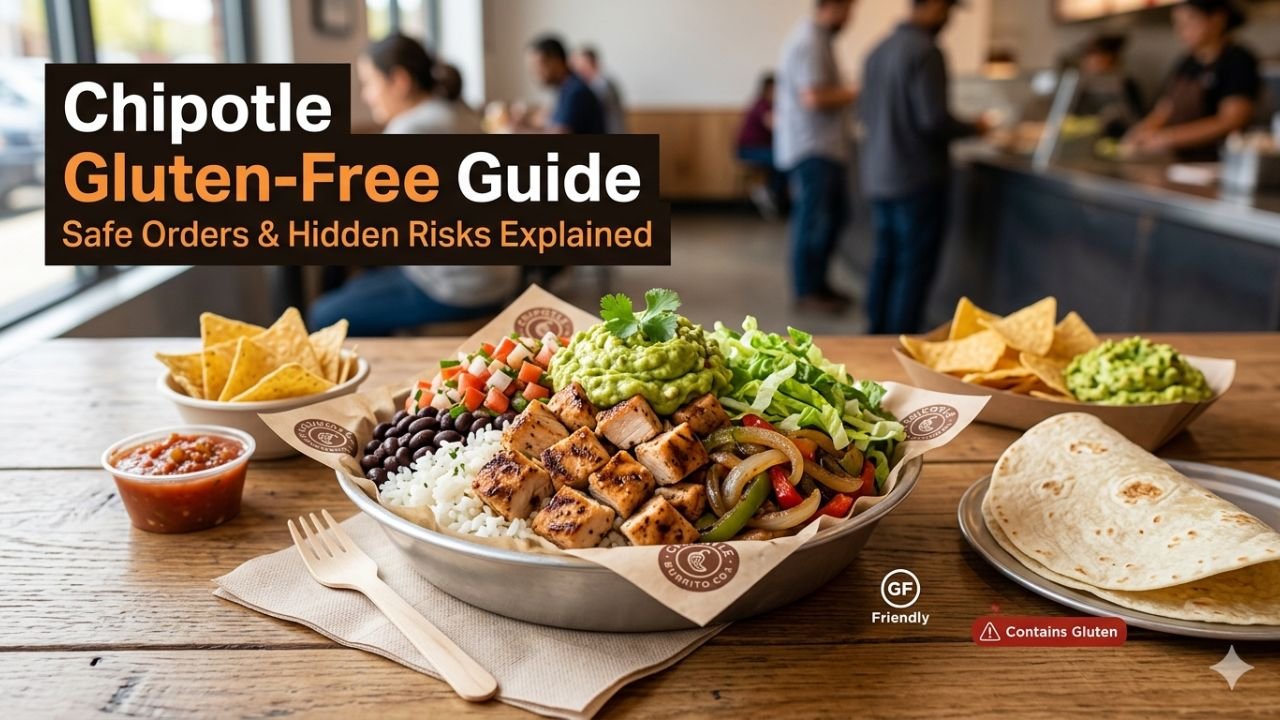
Chipotle offers several gluten-free choices, including bowls, salads, and tacos if you skip the tortilla.
Where can I find the exact nutrition for my custom order?
Chipotle has an official nutrition calculator on their website at chipotle.com, where you can build your meal and see real-time calorie and macro data.
Conclusion
Chipotle is one of those rare fast-casual spots where eating healthy is genuinely easy once you know what you’re working with. The menu is simple. The ingredients are fresh. And the customization options are nearly endless.
Whether you’re counting macros, managing your weight, or just trying to make smarter choices, the Chipotle nutrition menu gives you everything you need to build a meal that works for you.
The biggest takeaway? Your bowl, your rules. Skip the tortilla. Watch the toppings. Double up on protein. And don’t feel guilty about the guac, life’s too short to skip avocado.
Now go enjoy your meal and actually know what’s in it.