You’re standing in line at Chipotle, one kid tugging at your sleeve, another already eyeing the chips display like it’s a treasure chest. You’re trying to figure out what to order for yourself while also making sure your little one gets something that won’t send their blood sugar through the roof before bedtime.
Sound familiar?
We’ve all been there. And if you’re someone who cares about what goes into your kid’s body, which, if you’re reading this, you clearly do, then you’ve probably wondered: Is the Chipotle kids’ menu actually a healthier choice? Or is it just a smaller version of the same calorie-heavy stuff adults eat?
Today, we’re breaking it all down. No fluff, no confusing nutrition jargon, just a real, honest look at what Chipotle kids’ menu nutrition actually looks like, how it compares to adult options, and whether it’s a smart pick for your family.
Let’s dig in.
What’s Actually on the Chipotle Kids Menu?
Before we get into the nutrition side of things, let’s talk about what the kids’ menu even includes.
The Chipotle kids’ meal typically comes with:
- A kid-sized portion of a burrito, tacos, or a quesadilla
- A choice of protein (chicken, steak, sofritas, or beans)
- Side options like rice, beans, or fruit
- A small drink
- And of course, a bag of chips
Now, the serving sizes are noticeably smaller than what adults get. A kid’s meal burrito, for example, uses a smaller tortilla and a reduced amount of each ingredient. That’s the first key difference right there.
But smaller doesn’t automatically mean healthier. So let’s look at the actual numbers.
Chipotle Kids Menu Nutrition: The Real Numbers
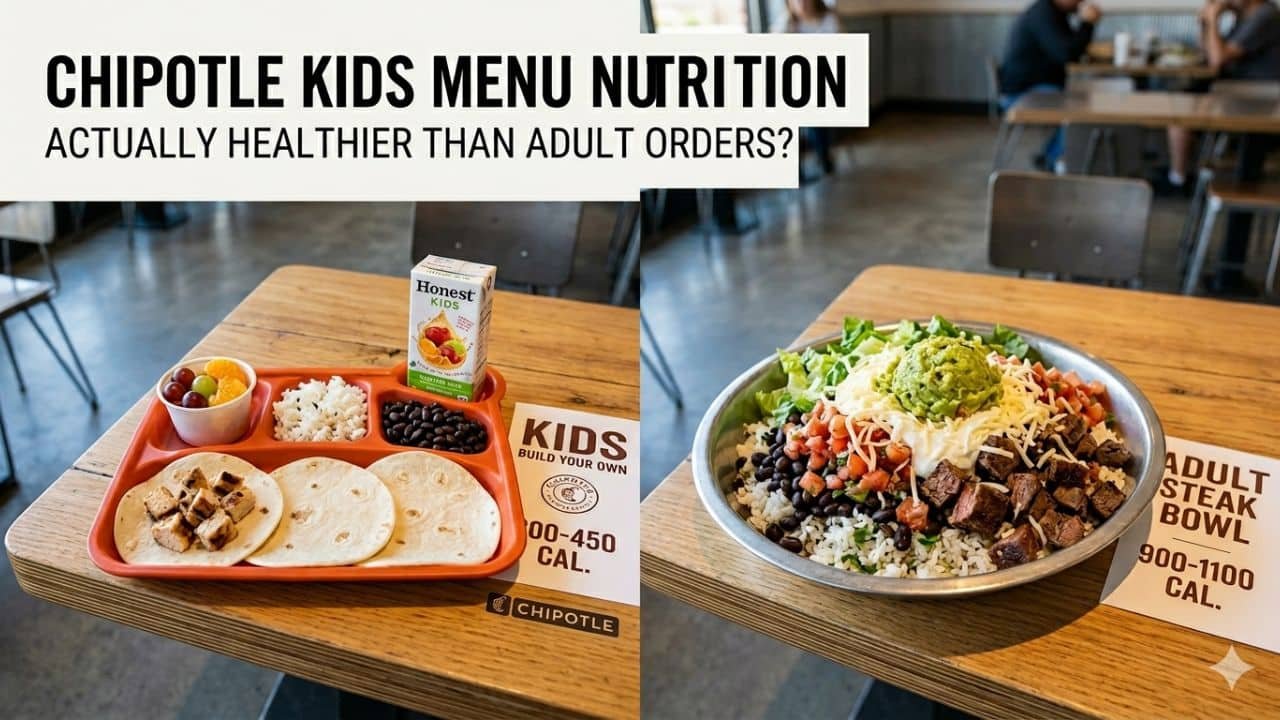
Here’s where things get interesting. Let’s break down the nutrition for a standard Chipotle kids meal, say, a kids chicken burrito with rice, black beans, and a bit of cheese.
Approximate nutrition for a kid’s chicken burrito:
- Calories: 490–560
- Protein: 22–26g
- Fat: 14–18g
- Carbohydrates: 60–70g
- Sodium: 650–800mg
- Fiber: 5–7g
Now compare that to a standard adult chicken burrito (with rice, black beans, cheese, and sour cream):
- Calories: 970–1,100
- Protein: 40–50g
- Fat: 34–42g
- Carbohydrates: 115–130g
- Sodium: 1,900–2,300mg
- Fiber: 12–15g
So yes, the kids’ meal is roughly half the calories and sodium of an adult burrito. For a child between the ages of 4–8 who needs around 1,200–1,400 calories a day, that kid’s meal covers a solid chunk of their daily needs without going overboard.
For older kids (9–12), who need around 1,400–1,800 calories, it’s still a reasonable meal.
The sodium is worth watching, though. 650–800mg is still a notable chunk for a small child whose daily sodium limit is around 1,500–1,900mg. But it’s significantly better than handing them half your adult burrito, which is something a lot of parents do without thinking twice.
Is the Chipotle Kids Quesadilla a Good Option?
The kids’ quesadilla is probably the most popular choice for younger children. It’s simple, cheesy, and familiar. But nutritionally, it’s a different story.
Approximate nutrition for a kid’s cheese quesadilla:
- Calories: 450–500
- Protein: 15–18g
- Fat: 20–25g
- Carbohydrates: 45–55g
- Sodium: 680–780mg
The fat content here is higher compared to the burrito option, mostly because of the cheese and the way the quesadilla is pressed. It’s not terrible, but it’s also not the leanest choice on the menu.
If your kid insists on the quesadilla (and honestly, what kid doesn’t love a quesadilla), try adding a side of black beans or fresh tomato salsa. Both add fiber and nutrients without piling on extra calories or fat.
Pro tip: Ask for chicken added to the quesadilla. It bumps up the protein, which means your child stays fuller longer and is less likely to start begging for snacks an hour after you leave.
How Does the Kids’ Menu Compare to Adult Options?
Let’s put this side by side in a way that’s easy to understand.
Sodium Comparison: The biggest win for the kids’ menu is sodium. Adult burritos and bowls loaded with extras can easily push past 2,000mg of sodium, which is more than an adult’s recommended daily intake in a single meal. The kids’ menu keeps sodium under 800mg in most combinations, which is much more manageable.
Calorie Comparison: A kid’s meal sits around 500–600 calories total (including small chips). An adult burrito alone, without drinks or sides, can hit 1,000+ calories. For a child, that calorie difference is huge.
Protein Comparison: Here’s where the adult menu pulls ahead. Adult meals pack significantly more protein. If your child is older, more active, or going through a growth spurt, the kids’ portion might leave them hungry. In that case, you might want to supplement with a side of beans or let them build a small bowl instead.
Fat Comparison: Adult options with sour cream, guacamole, and extra cheese can easily exceed 40–50g of fat. Kids’ meals, with simpler toppings, stay around 14–25g depending on what you add. That’s a meaningful difference for little bodies.
The Hidden Stars: What Makes the Kids’ Menu Actually Nutritious
Here’s something a lot of parents don’t realize: Chipotle’s ingredients, even on the kids’ menu, are genuinely pretty clean.
Black Beans are packed with fiber, iron, and plant-based protein. Great for digestion and keeping kids full.
Chicken Grilled, not fried. High in lean protein and low in saturated fat.
Brown or White Rice: A good energy source for active kids. Not the most nutrient-dense option, but it’s not junk food either.
Fresh Salsa The tomatillo green salsa and the fresh tomato salsa are both low in calories and contain vitamins C and A. Kids who tolerate mild flavors can benefit from these.
Fruit Cup (as a side) If your location offers fruit instead of chips, grab it. It’s a no-brainer nutritional upgrade.
One thing that really sets Chipotle apart is its commitment to non-GMO ingredients and responsibly raised meats. You’re not feeding your kid mystery meat or a processed patty; you’re giving them real grilled chicken or whole beans. That genuinely matters.
Practical Tips for Making the Chipotle Kids Meal Even Healthier
You don’t have to take the kids’ meal exactly as it comes. Here’s how real parents tweak it to get the most nutritional bang for their buck:
- Skip the chips or share them. The small chip bag adds around 200–250 calories and about 270mg of sodium. If your child doesn’t specifically ask for them, skip it. Or let them share yours. Fewer calories, same happiness.
- Choose black beans over pinto beans. Black beans have slightly more fiber and antioxidants. It’s a small swap but a smart one.
- Go easy on the cheese. Cheese adds fat and sodium quickly. Ask for a light sprinkle rather than a full scoop.
- Add salsa instead of sour cream. Fresh salsa = vitamins and flavor with almost zero calories. Sour cream = saturated fat and extra calories. For kids, salsa is the better move.
- Request guacamole on the side. Guacamole is actually really healthy, full of heart-healthy fats and potassium. But the portion sizes are generous, so getting it on the side lets your kid dip without overdoing it.
- Opt for water over juice or soda. This one’s obvious but worth saying. Many Chipotle locations offer milk or organic juice with the kids’ meal. Water is still the best choice, but milk is a great alternative for calcium.
- Build a kids’ bowl instead. If your child is comfortable eating a bowl, skip the tortilla altogether. You save 300+ calories from the flour tortilla alone. Load it with rice, beans, chicken, salsa, and a little cheese, and it’s a genuinely balanced meal.
What Nutritionists Actually Say About Fast-Casual Kids’ Meals
Dietitians often point to Chipotle as one of the better fast-food options for families, and the kids’ menu specifically holds up well under scrutiny.
The reasons are simple:
- Real, minimally processed ingredients
- Customizable portions
- Good protein and fiber options
- No deep-frying involved
- Transparent nutritional information on their website
Compared to a Happy Meal (which often packs 600+ calories with fries and a soda, plus very little fiber or quality protein), or a kids’ meal at a typical pizza chain, Chipotle genuinely comes out ahead in most nutritional categories.
That said, no nutritionist is going to tell you that eating Chipotle every day is the ideal diet for a growing child. It’s a solid option for eating out, and in the world of fast-casual dining, it’s one of the smarter picks you can make.
Frequently Asked Questions
Is the Chipotle kids’ meal appropriate for toddlers?
It depends on the toddler. Most toddlers (ages 2–3) will find a kids quesadilla or small portions of rice and beans perfectly fine. Avoid anything spicy (stay away from hot salsas) and skip the chips for very young children. The mild flavors of cheese, chicken, and mild salsa are usually toddler-friendly.
How many calories should a child eat in one meal?
It varies by age. Roughly speaking:
Ages 4–6: 400–500 calories per meal
Ages 7–10: 500–600 calories per meal
Ages 11–13: 600–700 calories per meal
A Chipotle kids’ meal fits comfortably within these ranges for most children, especially if you’re mindful about add-ons like chips and drinks.
Is Chipotle safe for kids with gluten intolerance?
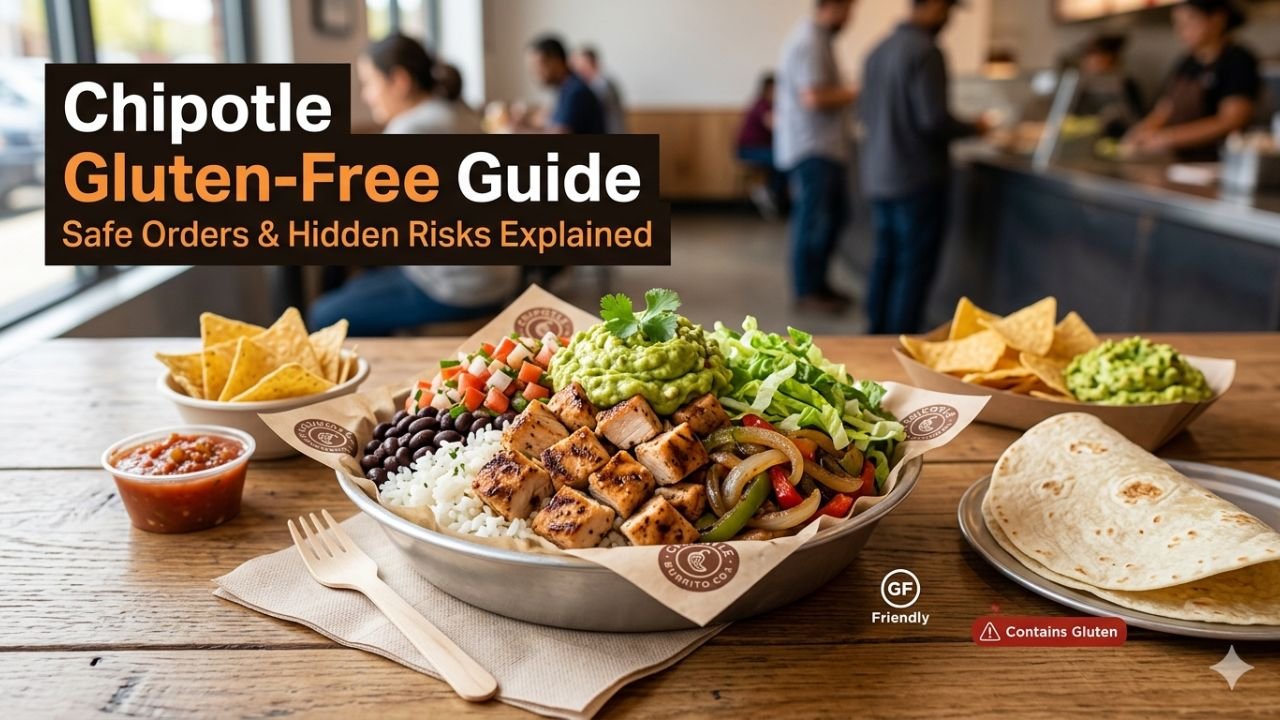
Chipotle offers naturally gluten-free options, such as rice, beans, proteins, salsas, and guacamole, which are all gluten-free. The flour tortilla (used in burritos and quesadillas) does contain gluten, so opt for a bowl for gluten-sensitive kids. Always check with staff about cross-contamination concerns if your child has celiac disease.
Are there vegetarian or vegan options on the Chipotle kids’ menu?
Yes! Black beans or pinto beans can replace meat protein. Sofritas (seasoned tofu) is also an option at most locations. For vegans, skip the cheese and sour cream and load up on beans, rice, and fresh salsas. It’s actually a very solid plant-based meal for kids.
Can I customize the kids’ meal to make it healthier?
Absolutely, and Chipotle makes this easy. You can ask for less cheese, more salsa, add extra beans, skip the chips, or choose a bowl instead of a tortilla. The staff is generally very accommodating. Don’t be shy about asking for modifications. It’s one of the best things about eating at Chipotle.
Conclusion
Short answer? Yes, compared to most fast-food kids’ meals, the Chipotle kids’ menu nutrition profile is genuinely better.
It’s not perfect. The sodium is something to keep an eye on, and the chips can add up quickly. But the core ingredients, grilled chicken, whole beans, fresh salsas, and rice, are real food. Not processed nuggets, not sugary sauces, not deep-fried anything.
For parents who are trying to balance convenience with nutrition (which is basically every parent, every single day), Chipotle is one of the more honest choices out there. You know what’s in the food, you can customize it, and your kid actually gets a meal with protein, fiber, and real nutrients.
So the next time you’re standing in that line, a kid tugging at your sleeve, chips display gleaming in the distance, you can breathe a little easier knowing that whatever you order from the kids’ menu, you’re making a pretty decent call.